
Rig Survey
The whole rig from masthead to chainplates; hairline terminal cracks revealed by penetrant testing, sails checked seam by seam.
- Terminals dye-penetrant tested for cracking
- Mast and spreaders examined top to bottom
- Shroud tensions measured and recorded
- Sails and furling gear operated and tested
- An opinion on rig age and replacement timing
A rig survey examines the mast, shrouds, forestay, terminals and sail handling gear for hairline cracking, corrosion and fatigue. Terminals are dye-penetrant tested.
A rig is as strong as its weakest link
A sailing yacht’s mast stands on a web of tension — shrouds, stays, terminals and chainplates. When a single link lets go, the result is a dismasting, and the failure almost always starts from a hairline crack no eye can see. The rig survey verifies that web link by link.
The inspection line
Mast and boom are checked for bend, corrosion (galvanic attack at aluminium-to-stainless contacts especially), cracking and deformation, along with the step and deck collar. Shrouds and stays are traced by hand and lens for broken strands; terminals — the rig’s most critical and most deceptive failure zone — are examined for hairline cracks by dye penetrant testing. Chainplates are inspected at the deck and below it: weep staining, gelcoat crazing or laminate voids around a chainplate mean rig loads are no longer feeding cleanly into the hull. Running rigging, tracks, cars, clutches and winches are function-tested, and the sails assessed for stitching, batten pockets, rings and cloth fatigue.
Why dye penetrant?
A stainless terminal does not fail all at once: a hairline crack starts, grows under load, and then lets go. That crack is invisible to the eye — the surface stays bright and sound.
Dye penetrant draws coloured fluid out of the crack and makes the line visible. A rig is only as strong as its weakest link, so a crack in a single terminal costs the mast.
Terminals are therefore cleaned and tested one by one; “looked over, appears sound” is not an adequate standard for a rig.
The report
Every component photographed and condition-listed; replacement items ranked by urgency, with a reasoned view of the rig’s remaining life for insurance renewal or a purchase decision.
Duration and fee
This inspection is a chapter within a survey: it is carried out within a pre-purchase survey (on sailing yachts) and is not billed separately. We do not sell it as a standalone item, because coming to the boat once to look at this heading alone serves neither you nor us.
If you do need this heading on its own — in a dispute, or for a second opinion — the door is not closed. Call us and we will talk about the boat.
Fees vary with the length of the boat, where she lies and the season. For a firm price call us — tell us about the boat and we will give you the number on the phone.
From the field
What this work looks like on board
5 frames
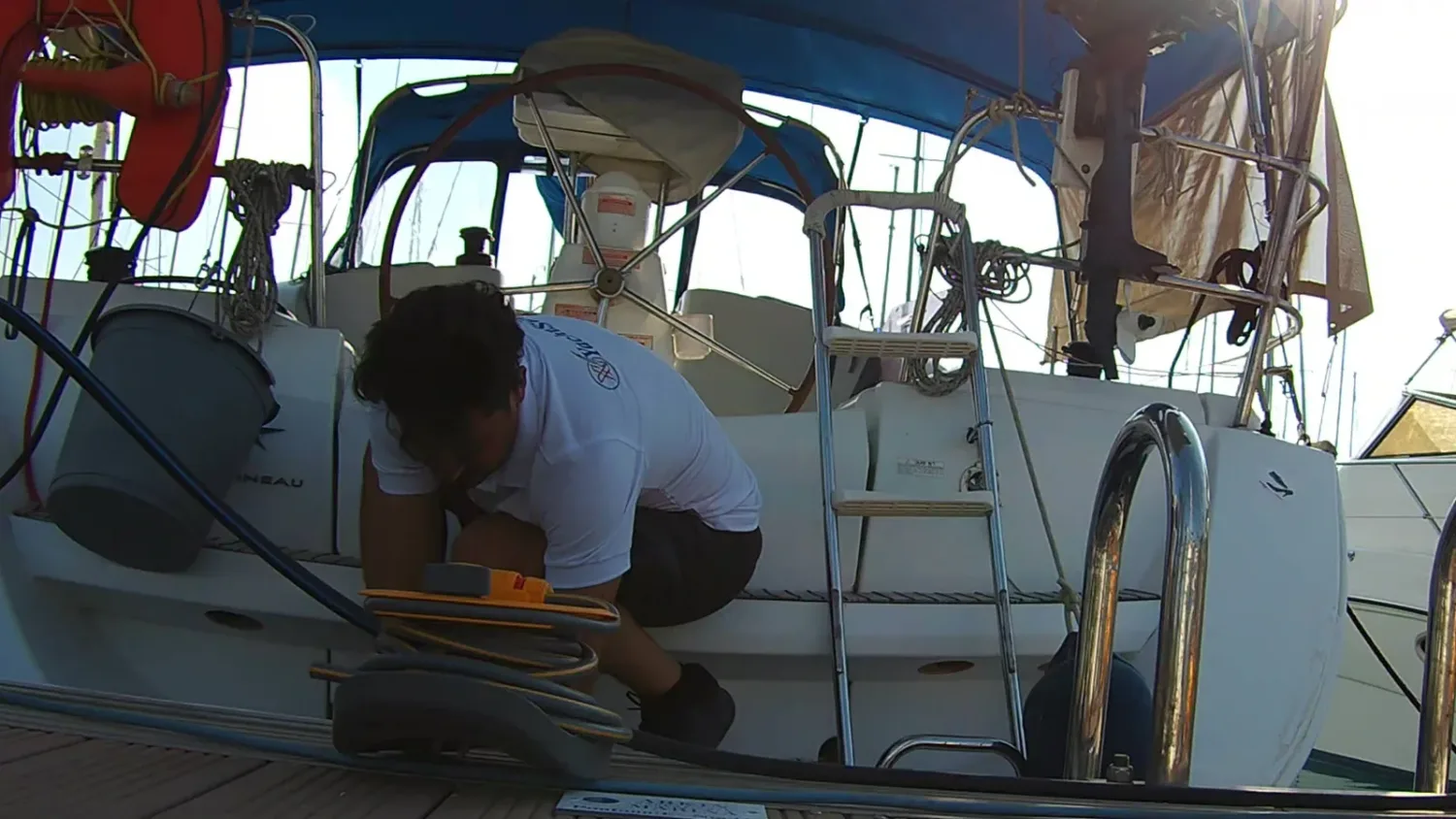
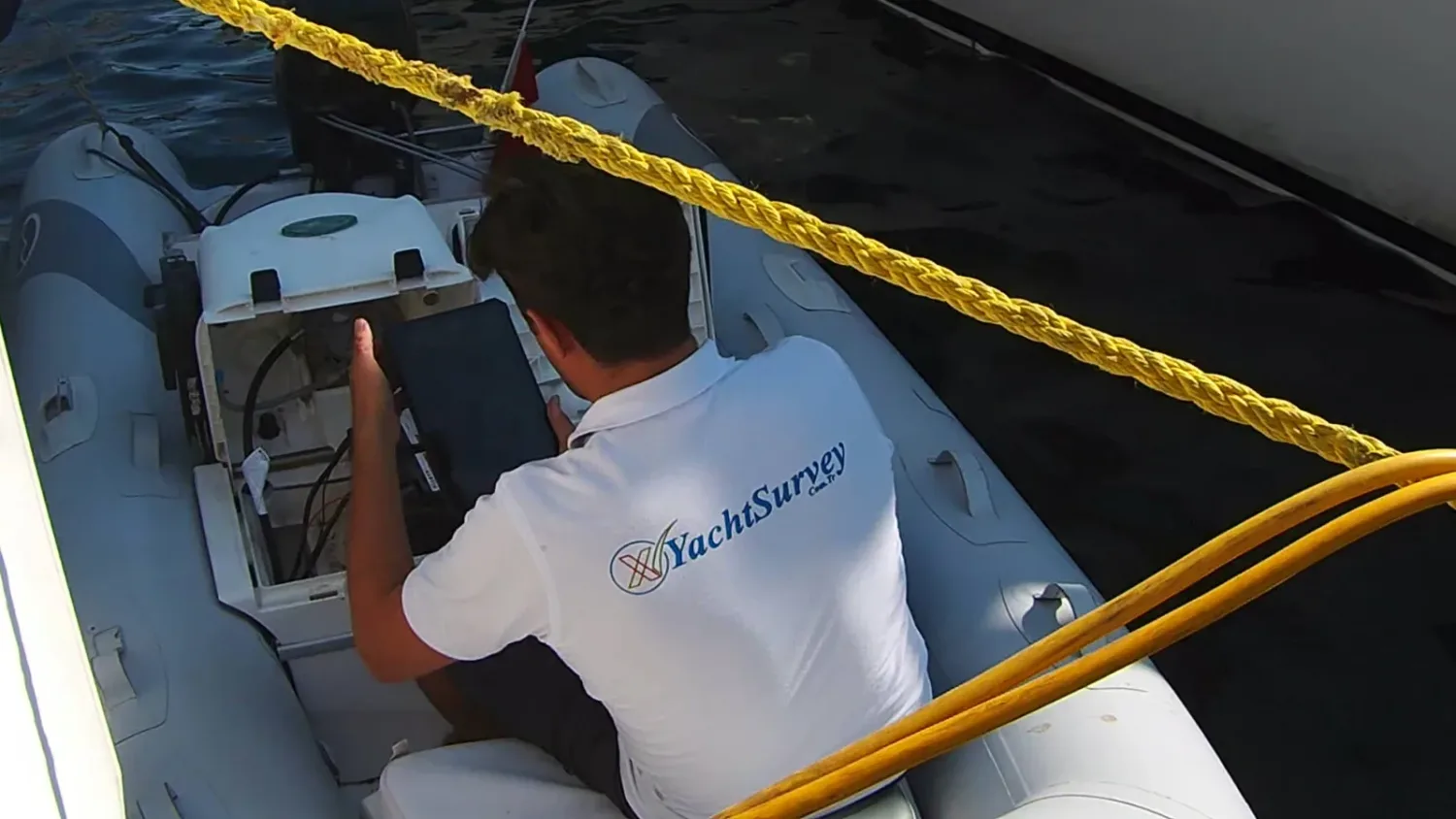
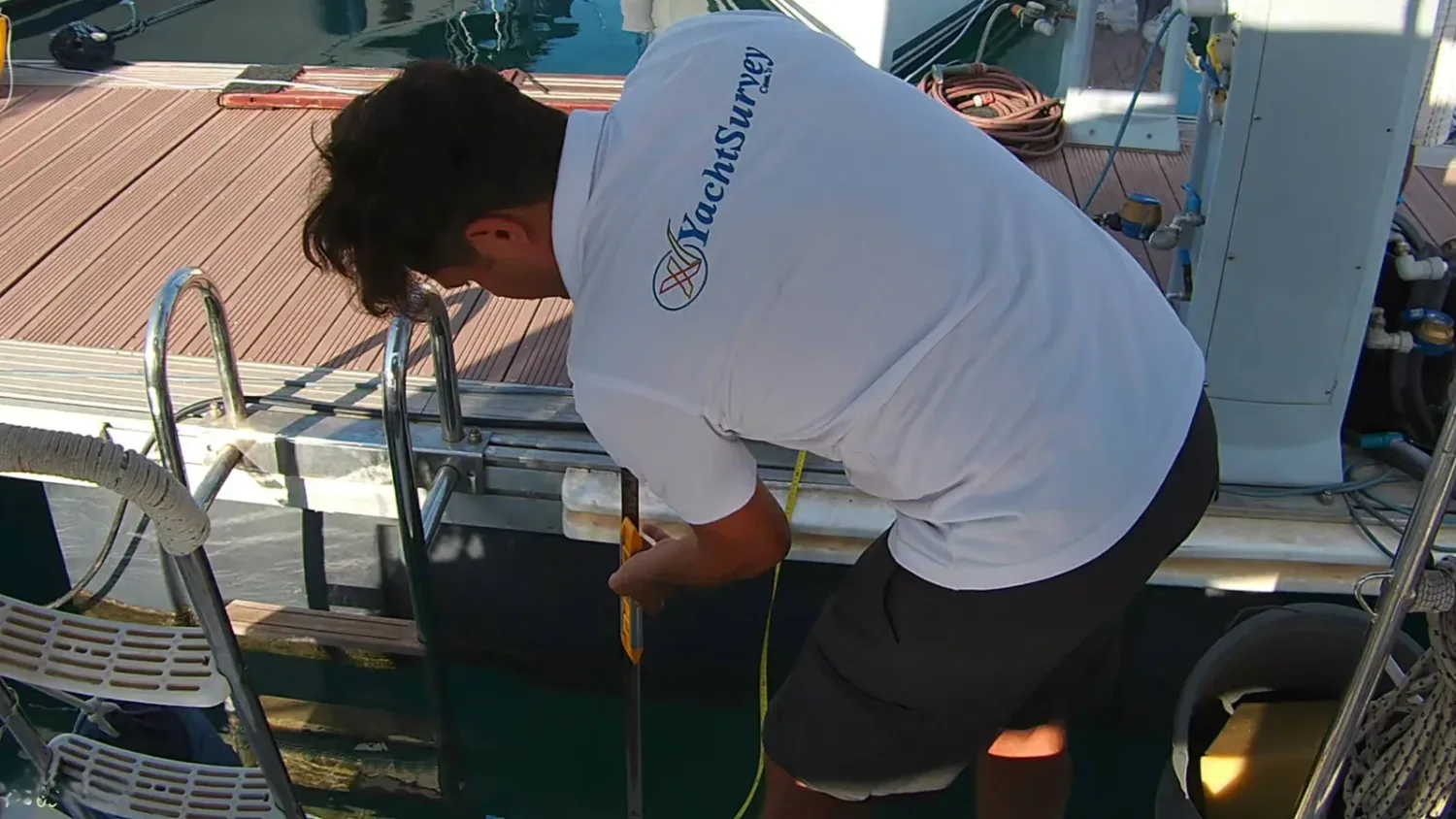
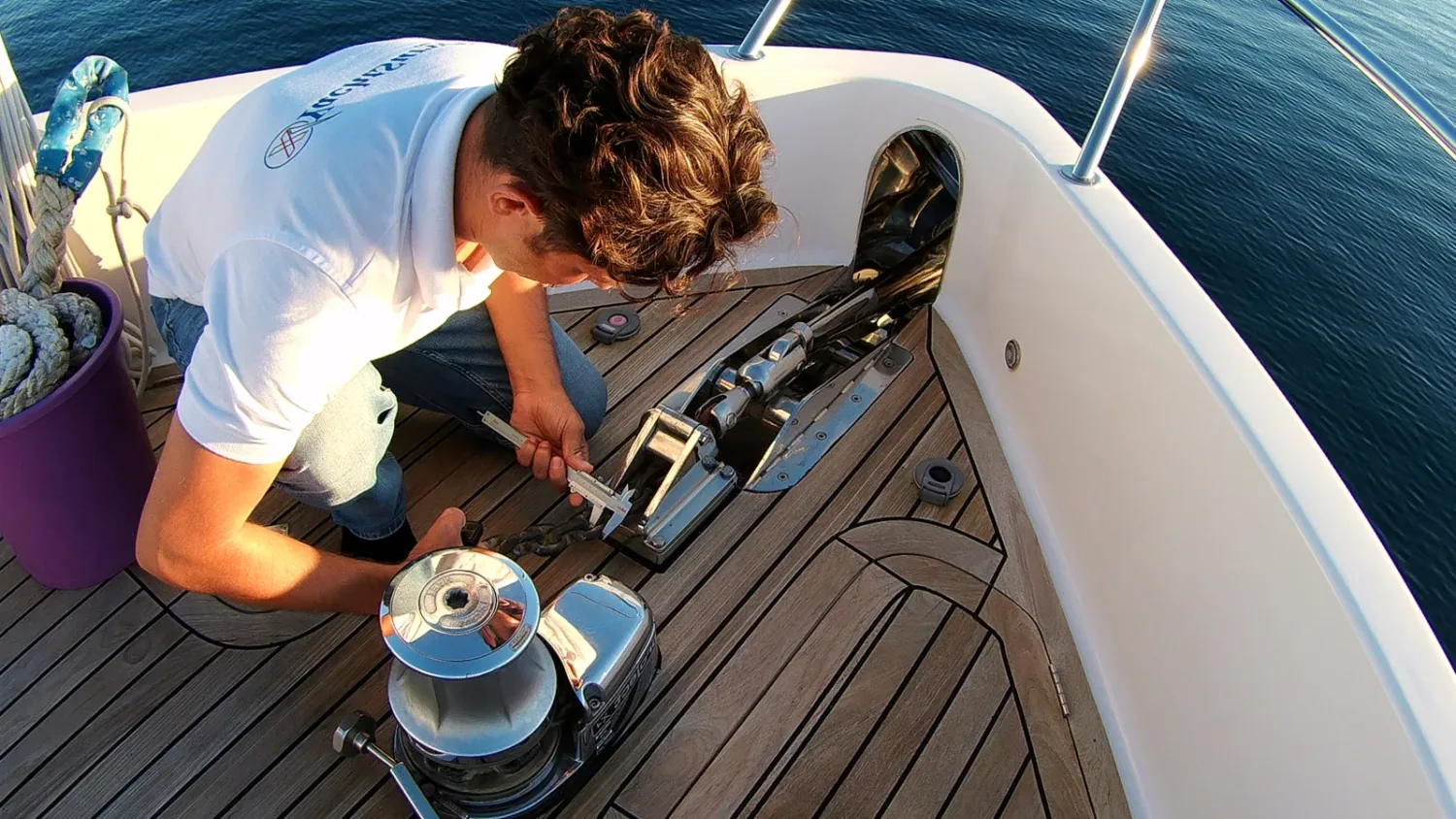
These frames were taken during real surveys. None of them are stock: each one is a measurement or a check described on this page.
Fitting removed to check the backing 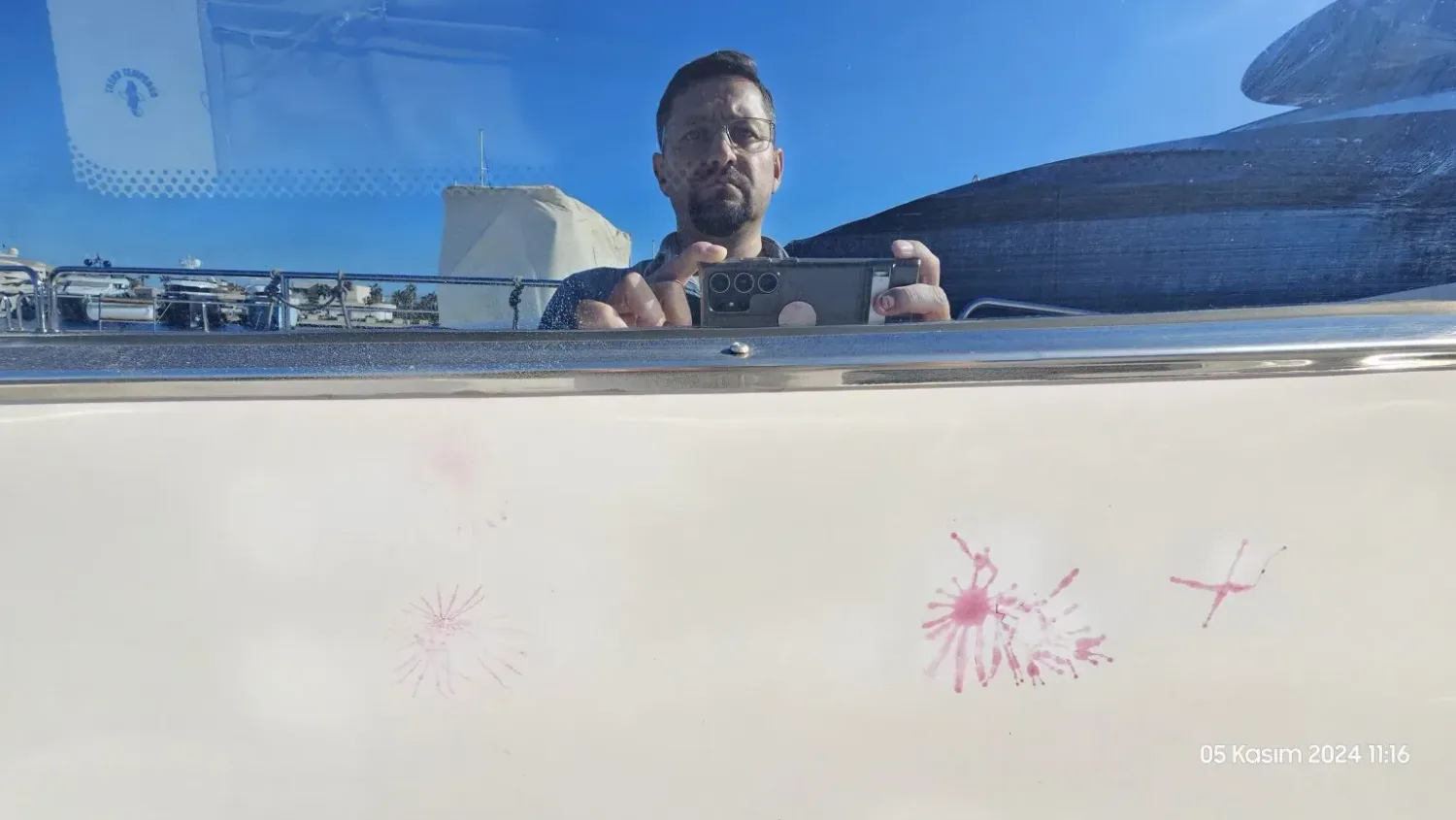
Spider cracking in the gelcoat 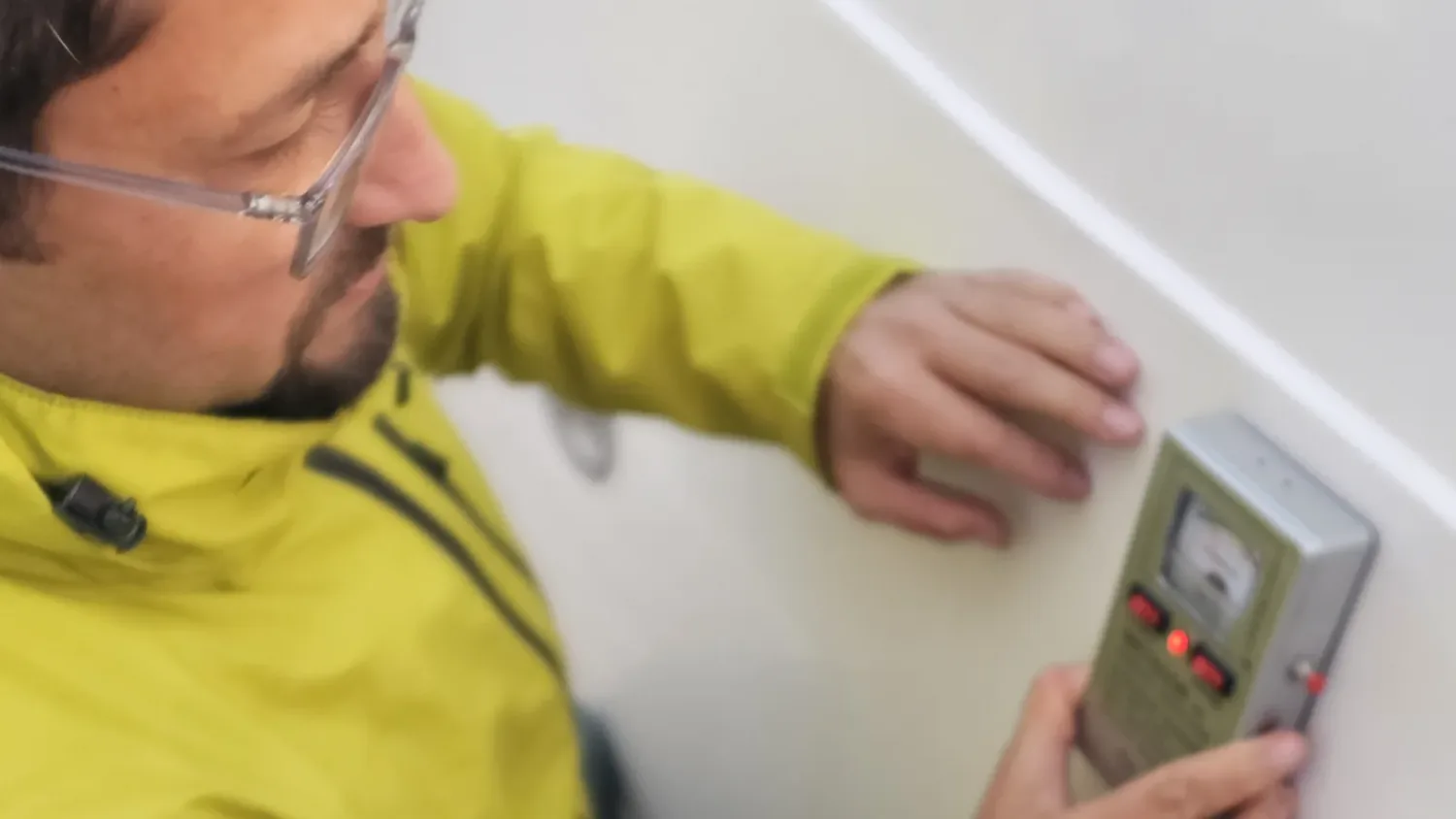
Examining the gelcoat surface 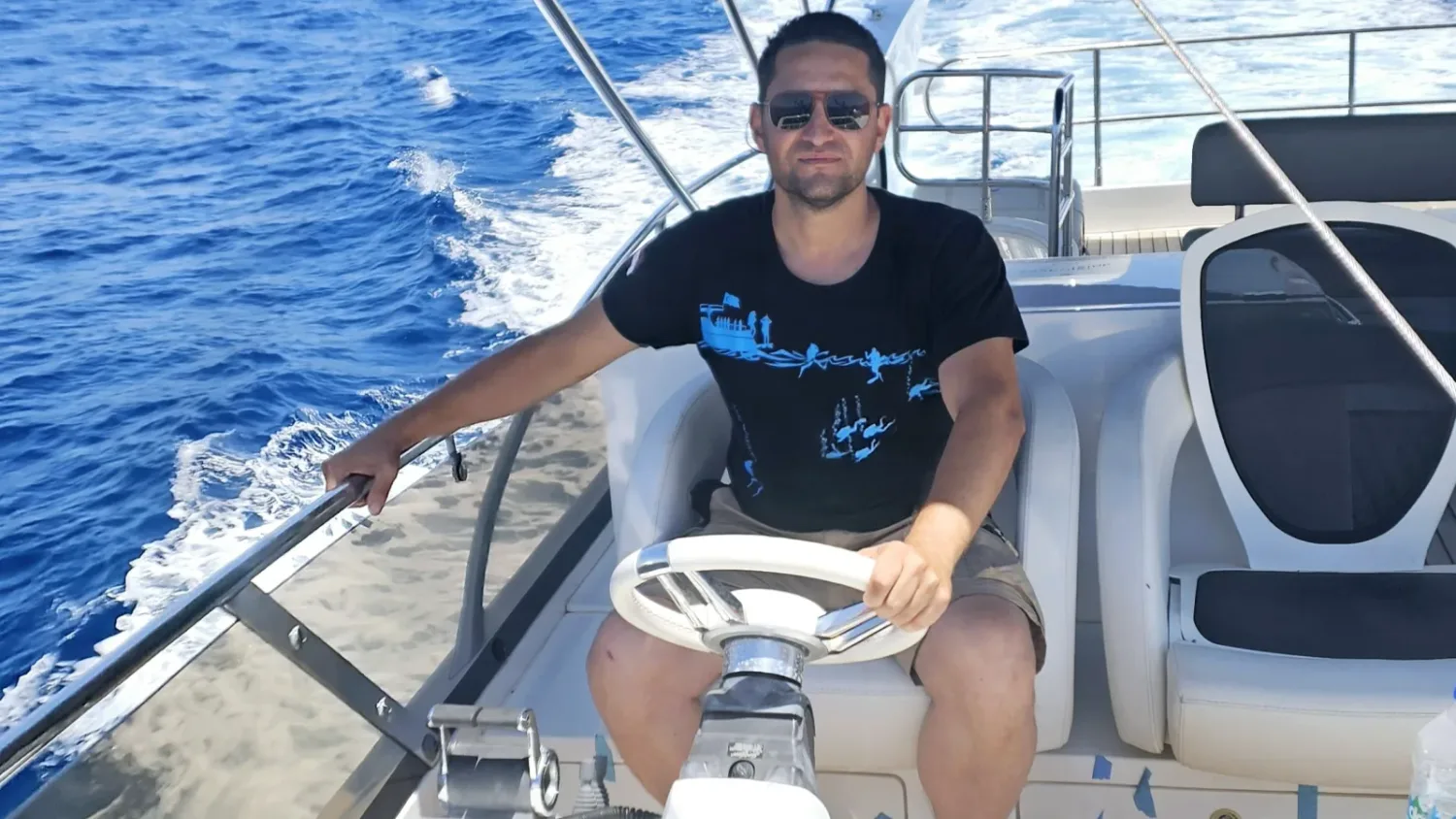
Sea trial on a sailing yacht 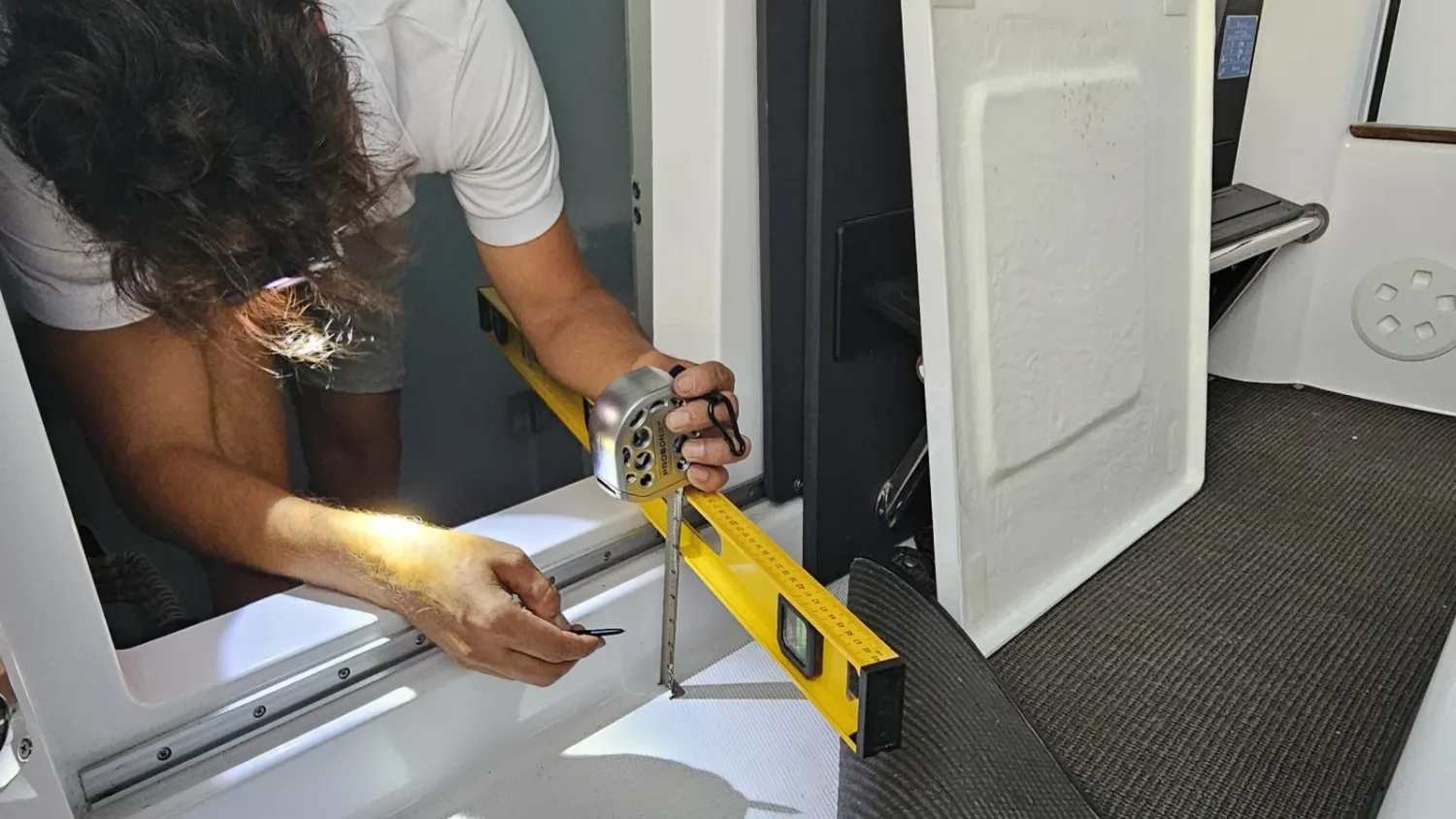
Detail with tape and calliper
Frequently asked questions
Common questions
How often should standing rigging be replaced?
Do you inspect aloft?
What is checked on the sails?
Services
Other services
- SURVEY
Pre-Purchase Yacht Survey
Find out what the vessel really is before you commit. An independent report backed by measured values you can use in the negotiation.
26 € / ft - SURVEY
Damage Survey
The true extent and repair cost of the damage, documented independently — a report you can put in front of your insurer.
26 € / ft - SURVEY
Yacht Valuation
The vessel's real market value, grounded in technical findings — a reasoned valuation for sale, insurance or legal use.
25 € / ft
Contact
Book your survey
Tell us where the vessel lies and your approximate date — we reply the same day.
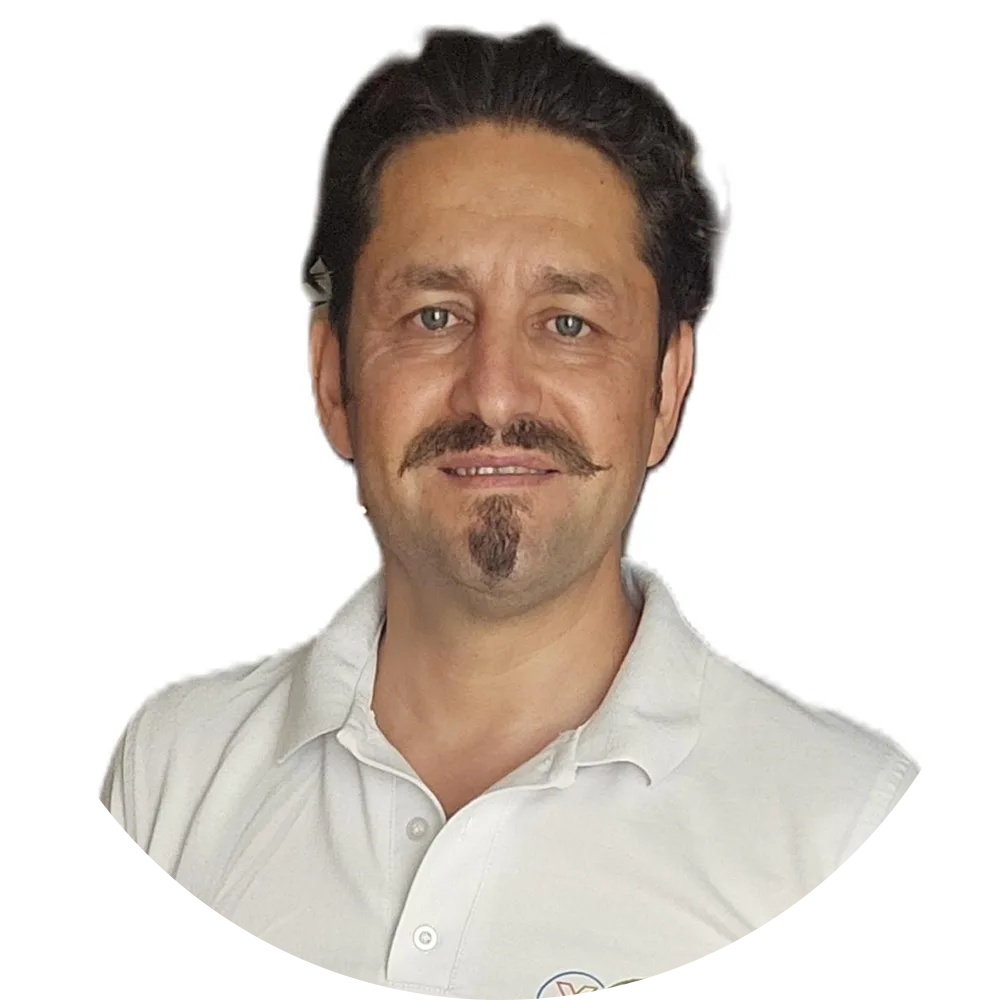
Serkan Kotel
Yacht surveyor · IIMS · ABYC · MCA — the person who answers the phone, walks the boat and signs the report is the same person.
Phone
+905320595917Service areas
Bodrum · Yalıkavak · Turgutreis · Milas · Göcek · Fethiye · Marmaris · Datça · İstanbul · Ayvalık