
About
A career that began at sea
I was born in Karabiga, a small coastal town on the Sea of Marmara, and met the sea as a child. After graduating from the deck department of a maritime vocational high school and the Navy Petty Officer School’s navigation branch, I began my professional career at sea.
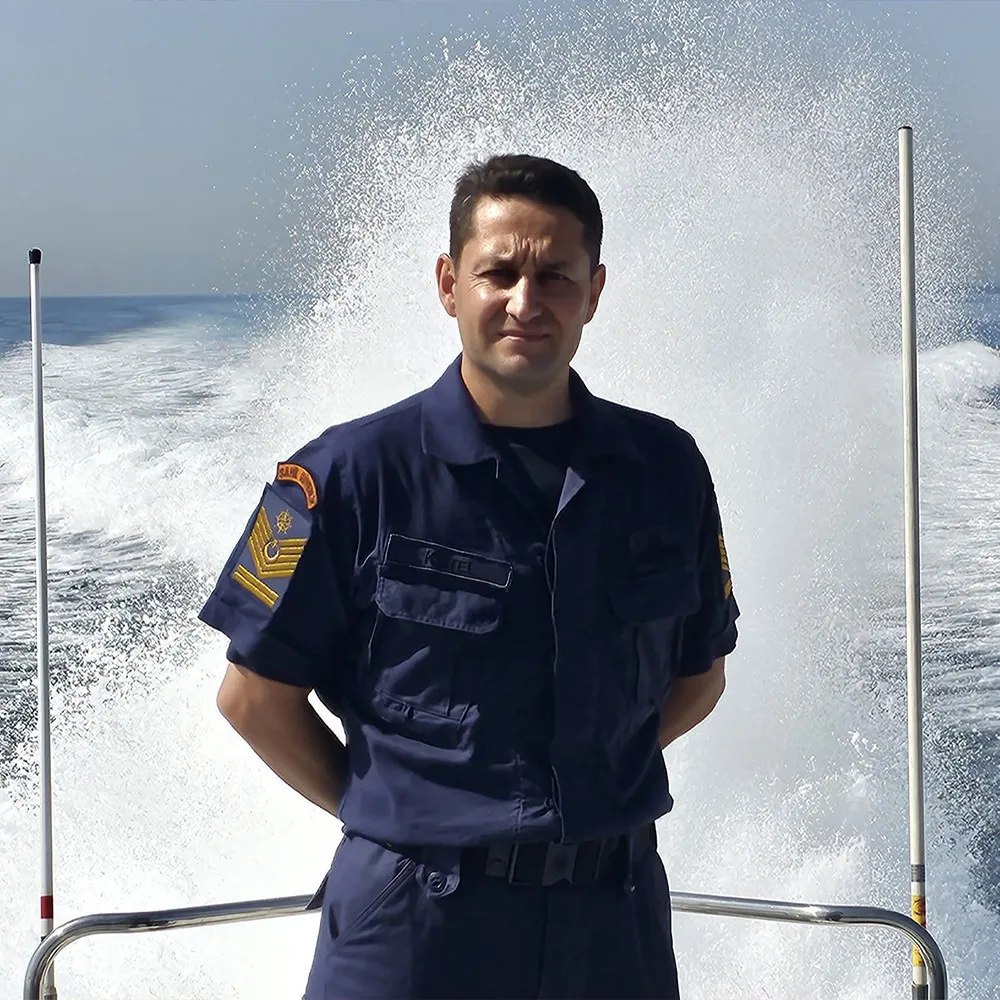
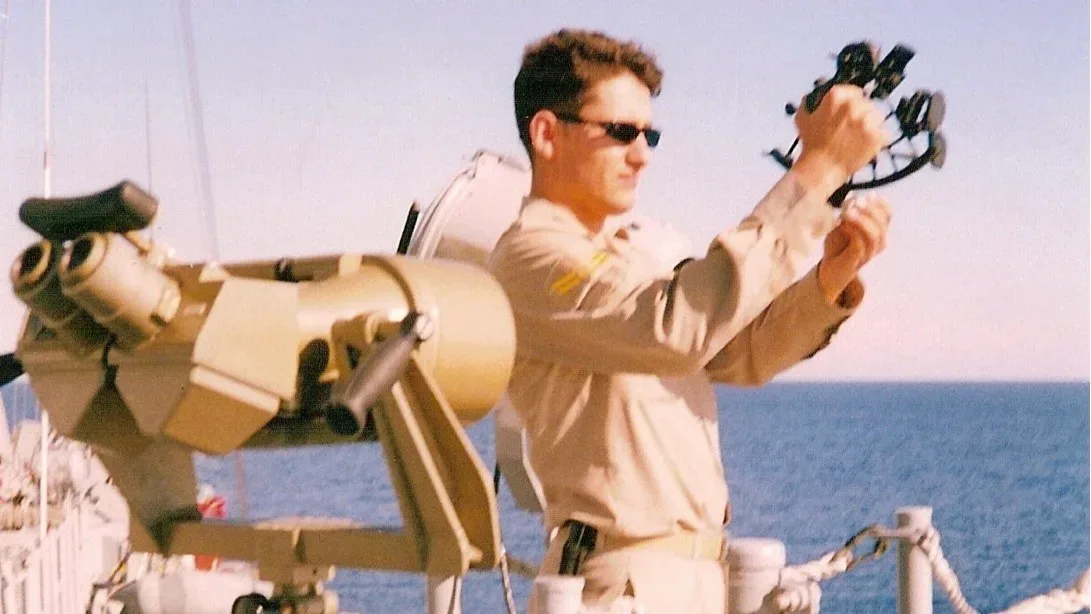
28 years in the Coast Guard and Navy
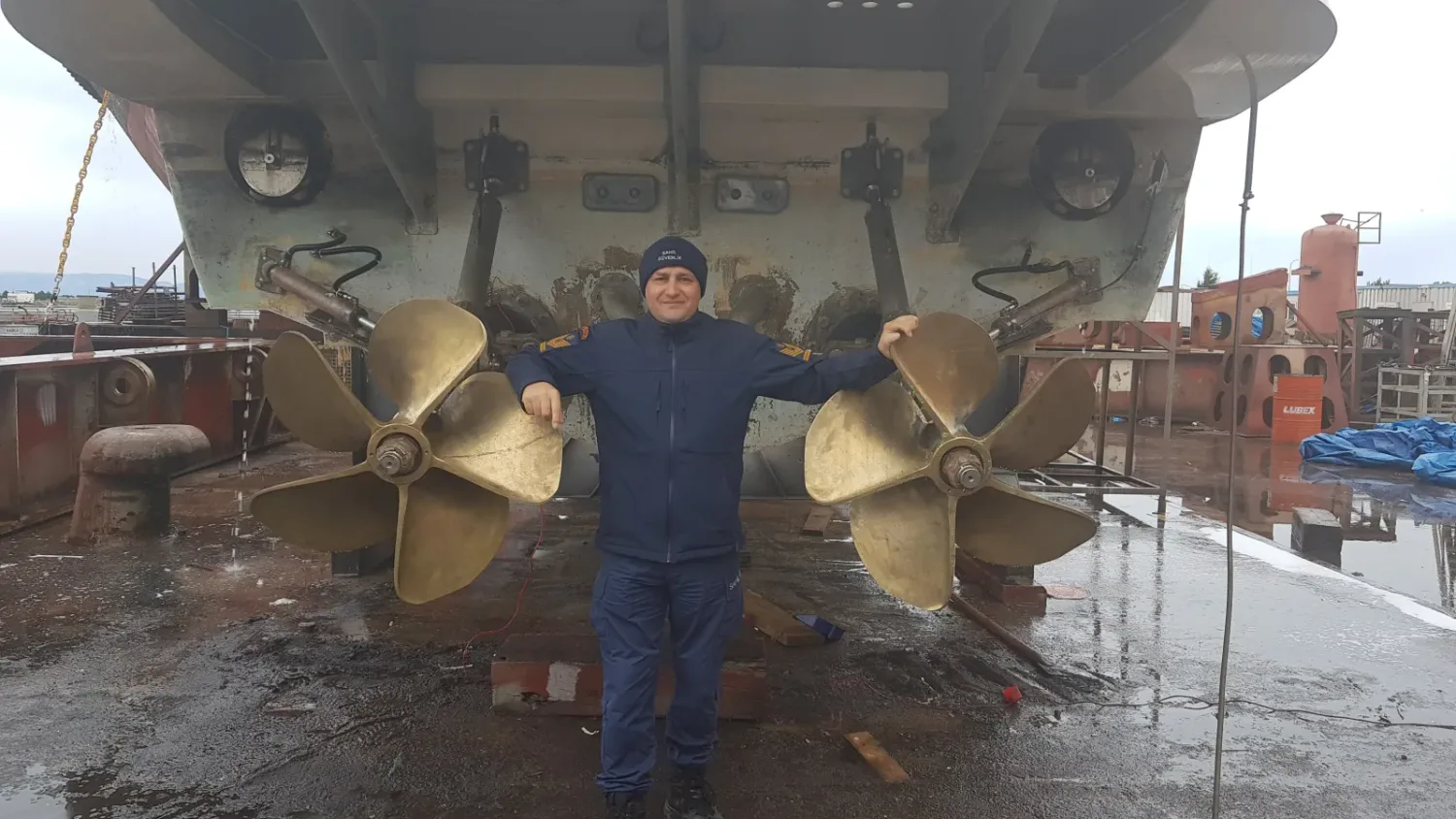
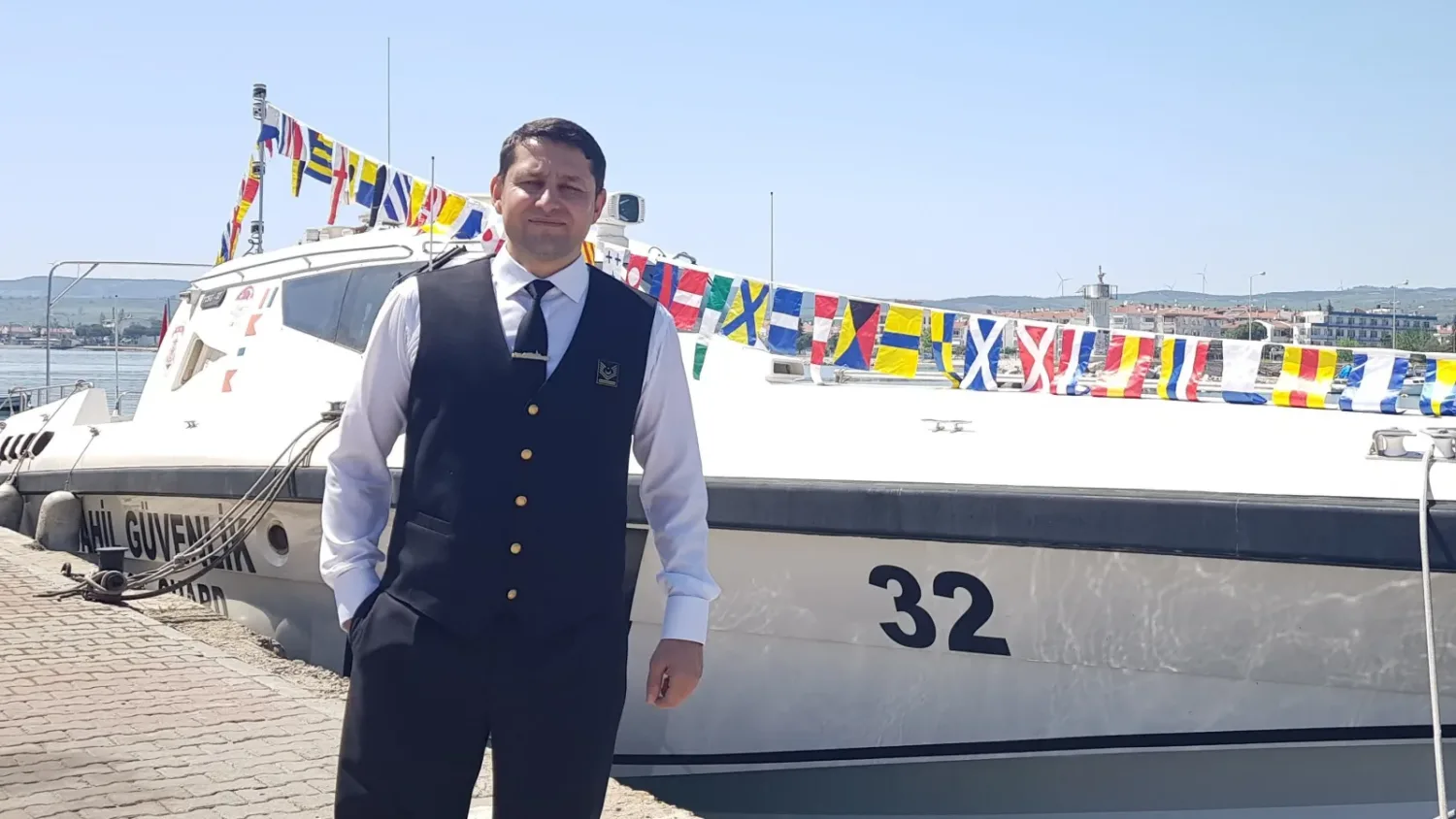
I served across every Turkish sea, from frigates to fast patrol boats, commanding the high-speed TCSG-5, TCSG-9 and TCSG-32 in critical areas including Antalya, Tekirdağ, Istanbul and the Çanakkale Strait. Those commands involved thousands of vessel inspections and expert-level reporting in judicial and administrative cases.
As an inspector at the Coast Guard’s Inspection and Evaluation Directorate I carried out more than 350 boat and ship inspections. My service brought over 30 commendations, four governors’ certificates of achievement and an outstanding service award from the Minister of the Interior.
The essence of what I do today took shape in those years: examining a vessel systematically, letting findings speak through evidence, and standing behind the report.
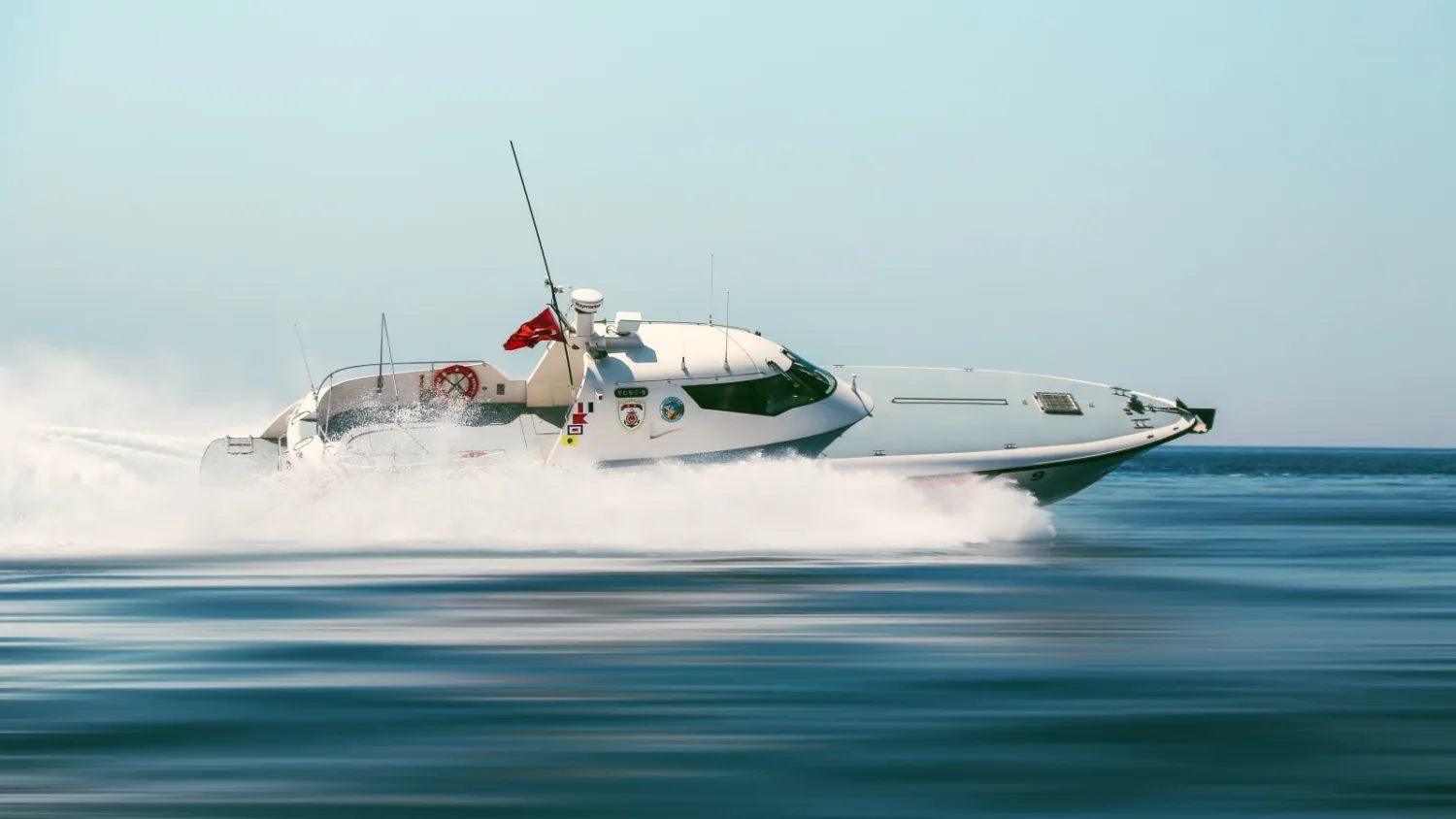
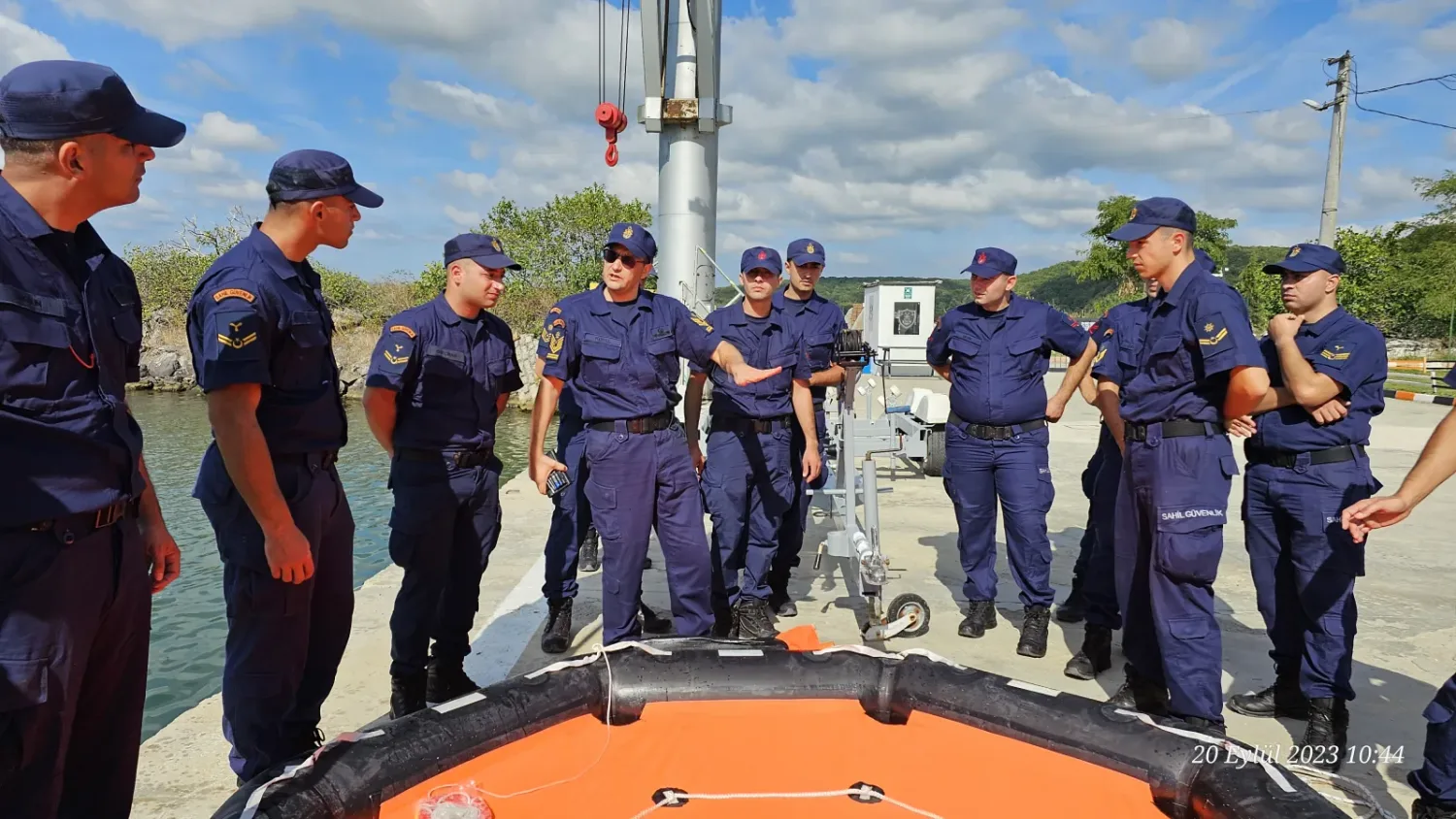
After retirement: mega yacht command and surveying
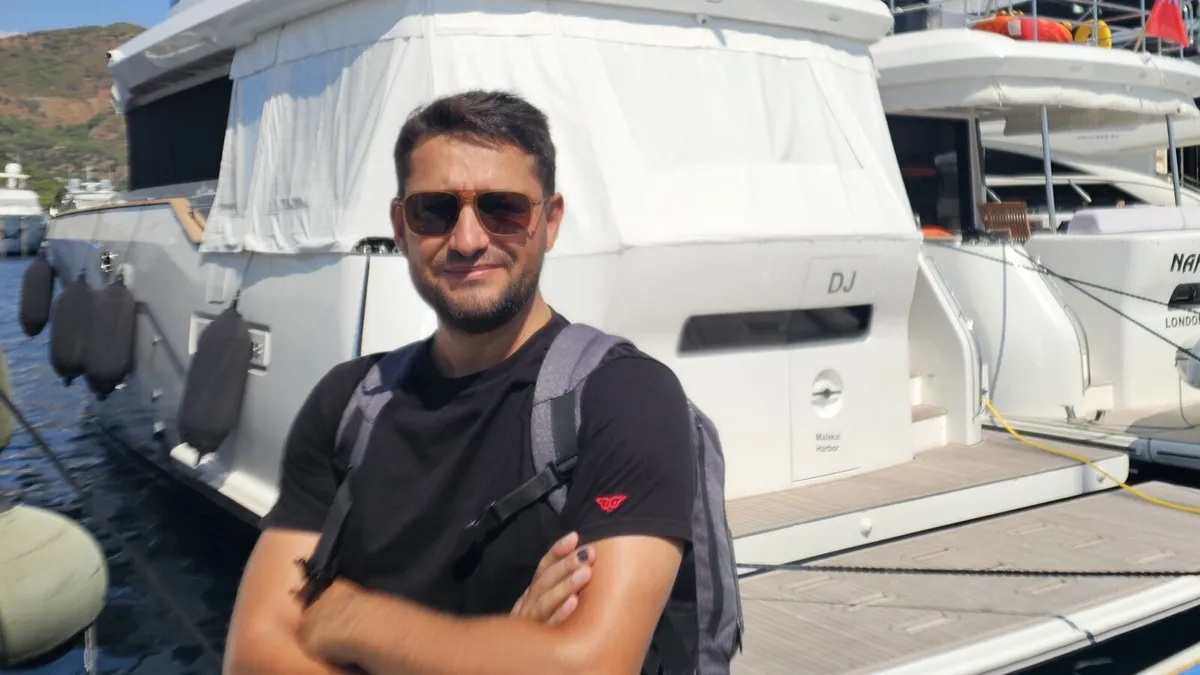
Retiring by choice in 2024, I moved to commanding mega yachts — experience spanning KAAN-class fast patrol boats to an 88-foot water-jet motoryacht, which taught me the lived and managed side of vessels, not only the inspected one. In the same period I completed my surveying qualifications with international institutions and founded YachtSurvey.
Training and accreditation
- IIMS — Marine Surveying for Yacht and Small Craft
- IIMS — Certificate of Tonnage Survey
- MTA — Surveying Yacht and Small Craft Systems
- ABYC — Marine Standards Certification
- Dokuz Eylül University — BSc in Marine Engineering
- Ocean-Going Master (Chief Officer) · 3000 GT Master · Yacht Master (Unlimited)
- Marine engine maintenance qualifications through instructor level
On top of these sit more than fifteen STCW and professional courses: ECDIS, Deck Management Level, Bridge Resource Management, GOC (General Operator’s Certificate) and ROC (Restricted Operator’s Certificate), advanced firefighting, medical care on board, personal survival techniques, survival craft and rescue boats, fast rescue boat operation, personnel and social responsibility, and first aid. Alongside them sit the specialist courses taken in Coast Guard service: nuclear material smuggling, computer-aided narcotics detection, sampling with national marker and control equipment, and photographic and video documentation technique.
Across that career I have covered more than 300,000 nautical miles, inspected thousands of vessels and served in the harshest conditions at sea. What stands behind a survey report today is what accumulated over that distance.
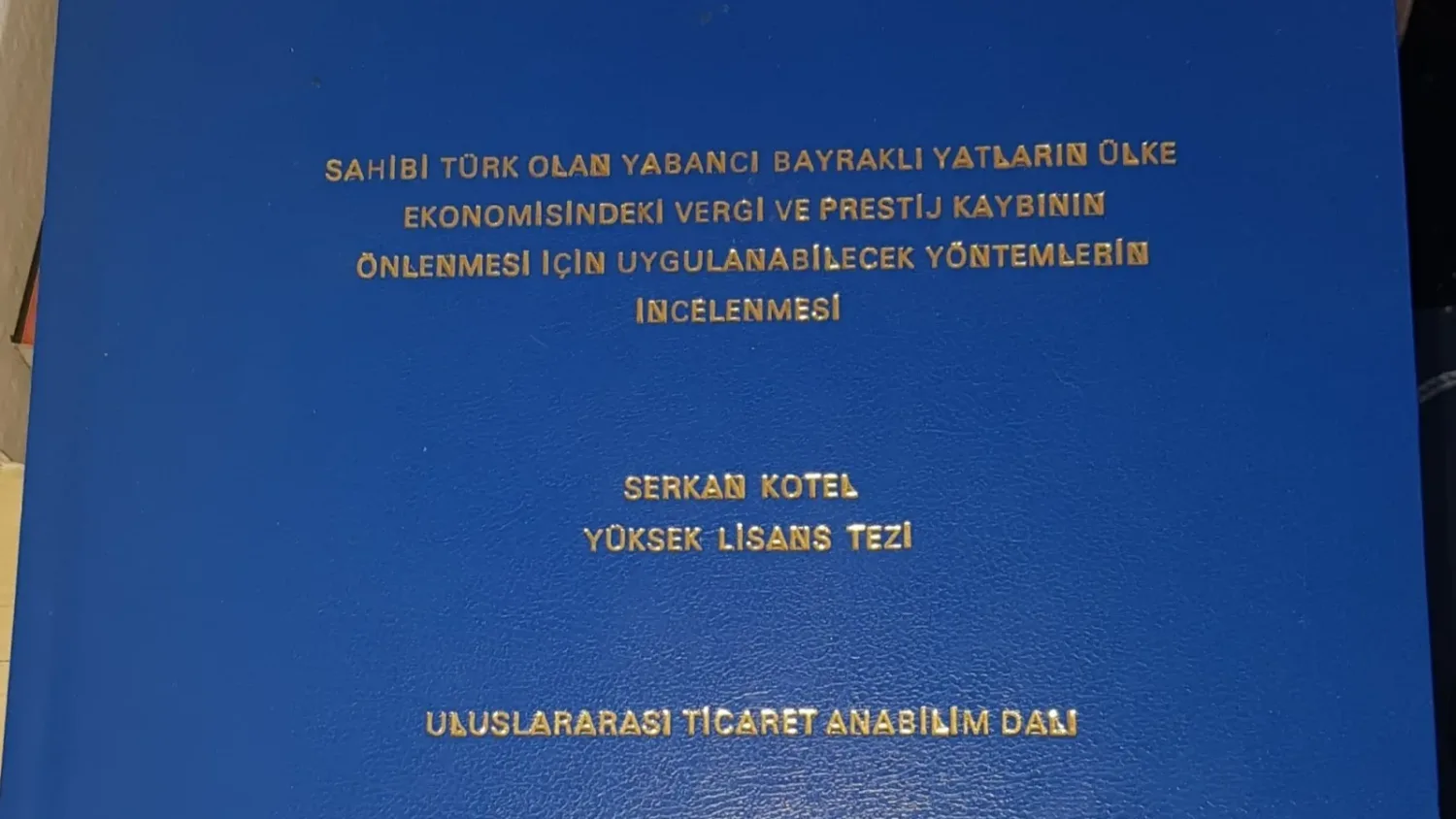
I completed my master’s degree in international trade with a thesis on the tax and prestige cost that foreign-flagged yachts impose on the Turkish economy — that work is where I saw in detail why a flag choice is never merely a formality.
How I work
Three words: independence, measurement, plain speech. I write the same report for buyer and seller; every finding is backed by a reading or a photograph; what the report says is what I say on the phone. If you want to know your vessel’s truth, see how I work or book a survey directly.
Frequently asked questions
Common questions
Who carries out the surveys?
What are your qualifications?
Why choose an independent surveyor?
Contact
Book your survey
Tell us where the vessel lies and your approximate date — we reply the same day.
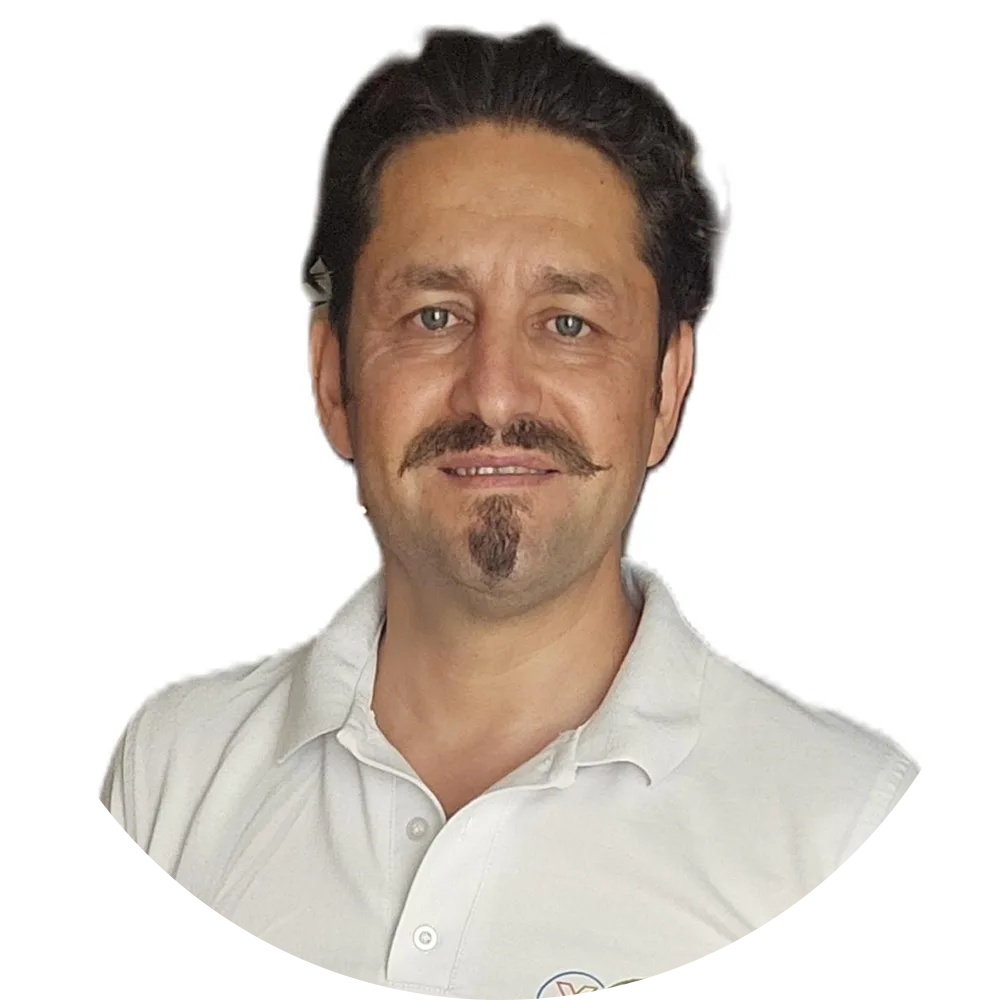
Serkan Kotel
Yacht surveyor · IIMS · ABYC · MCA — the person who answers the phone, walks the boat and signs the report is the same person.
Phone
+905320595917Service areas
Bodrum · Yalıkavak · Turgutreis · Milas · Göcek · Fethiye · Marmaris · Datça · İstanbul · Ayvalık