Skip to content
YachtSurveycom.tr

Hull and superstructure

Know what the boat
really is — before you buy.

A survey breaks the vessel down into thousands of measured points. Hull, decks, superstructure and the engine room are gone over one by one: the moisture meter finds the wet laminate, the ultrasonic gauge finds where it has thinned, the sounding hammer finds delamination, and ultraviolet light reveals gelcoat repairs and damaged areas.

Every measured point is not just described to you — it is shown to you, in a form you can read.

  • Osmosis
  • Delamination
  • Gelcoat repairs
  • Deck voids

Engine room

The engine room is the most expensive room on the boat.

Main engines are run under load; leak traces, diagnostic tests, the raw-water circuit and the exhaust line are read one by one. The thermal camera shows the warm terminal, the endoscope shows what the eye cannot reach, and the diagnostic tool reads the engine’s fault log and its performance.

Running hours alone say little: the maintenance record is checked against what the engine actually shows.

  • Leak traces
  • Diagnostic tests
  • Cooling circuit
  • Exhaust line

The hull below the waterline

Half an hour under the water changes the buying decision.

Cutless bearing clearance is measured, shaft run-out is checked, blades are examined for bruising and cavitation erosion. How far the anodes have gone tells you whether the cathodic protection works at all.

A survey without a haul-out is half a survey; no one should buy a boat whose underwater half has not been seen.

  • Cutless clearance
  • Shaft run-out
  • Blade damage
  • Anode wastage

Steering and navigation

Everything the helm reports is tested, nothing is assumed.

The steering gear is followed from the wheel to the quadrant: turns lock to lock and free play are measured, the hydraulic circuit is checked for weeps. Navigation electronics are switched on and tried — radar, GPS, AIS, autopilot and radios, one by one. Whether the alarms actually sound is tested, never assumed.

The compass deviation card, an autopilot turn test and the radio DSC registration are checked at this step too.

  • Steering free play
  • Autopilot test
  • Radar and AIS
  • Alarm panels

Electrics and batteries

Electrics are the number one cause of fire on board.

The back of the distribution panel, the battery terminals and the charging circuit are scanned with the thermal camera: a loose terminal heats under load, and the eye cannot see that. Whether breaker ratings match cable sizes, and whether the bank carries the load it is wired to — both are measured.

Liferaft, extinguisher and flare dates are read one by one at this step too.

  • Batteries and charging
  • Behind the panel
  • Breaker ratings
  • Bonding

Instruments

What the eye cannot see, an instrument reads.

Every measurement enters the report with its value, its location and its photograph. Engine diagnostics is the strongest card we hold: the fault history and true running hours the engine recorded itself are data nobody can paint over. “Looks fine” is not a finding; findings are written in language you can actually use.

  • Engine ECU diagnostics

    Reads the engine’s own log: fault history and true running hours

  • Thermal camera

    Shows the warming connection

  • Moisture meter

    Finds the wet laminate in the hull

  • Ultrasonic gauge

    Measures where the laminate has thinned

  • Borescope

    Reaches where the eye cannot

  • Percussion (sounding) hammer test

    Hears the delaminated core

The report

Whatever the findings are is what goes in.

On a 40-foot boat the field work takes 1.5 working days; the report is in your hands the same day. Every finding enters a 40+ page report with its measured value, its location and its photograph. The report stays yours — for the negotiation and for the insurer.

Findings are ranked: what must be fixed now, what can wait for the season, and what only needs watching.

28
years in the field and at sea
350+
yacht surveys and valuations
100%
Independent — tied to neither buyer nor seller
  • Trained & accredited
  • International Institute of Marine Surveying logosuIIMS
  • American Boat & Yacht Council logosuABYC
  • Maritime Training Academy logosuMTA
  • Maritime and Coastguard Agency logosuMCA

Not a diagram — a frame

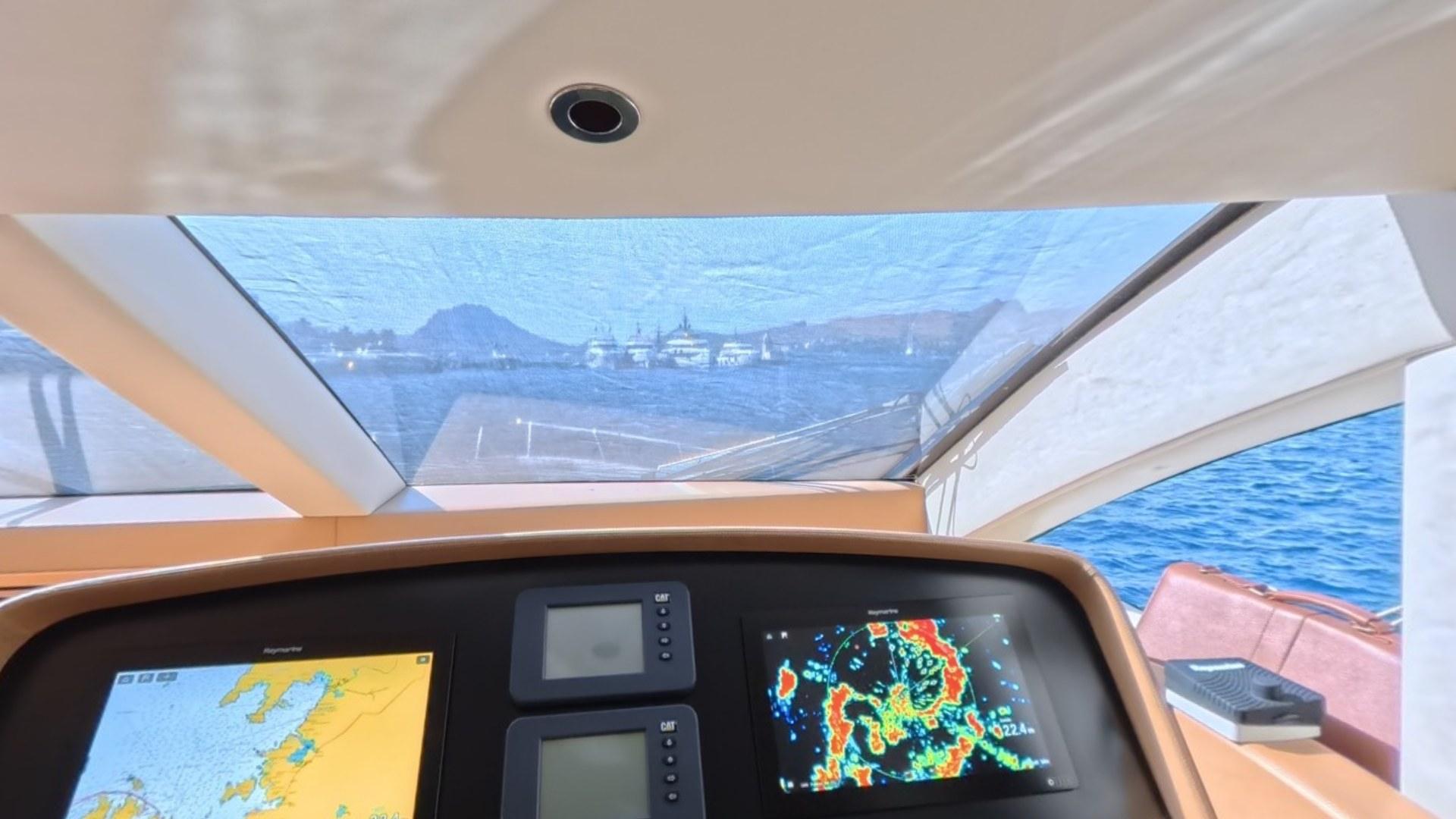
A wheelhouse, from a real survey

The point cloud above is a schematic. This is not: a 360° panorama shot on the bridge during an actual survey. Drag to look around.

Explore the survey tour

Independent survey

Seller and buyer read the very same report.

We are tied to neither side. Apart from the survey fee we take no commission from anyone; whatever the findings are is what goes in the report. The report stays yours — for the negotiation and for the insurer.

Method

What the eye cannot see, an instrument reads.

Every measurement is logged with its value, its location and its photograph. Hull moisture, laminate thickness, a warm terminal, a wet core — none of it passes as “looks fine”.

  • Moisture meter
  • Ultrasonic thickness
  • Thermal camera
  • Endoscope
  • Hammer test

Who does it

28 years at sea, 350+ vessels inspected.

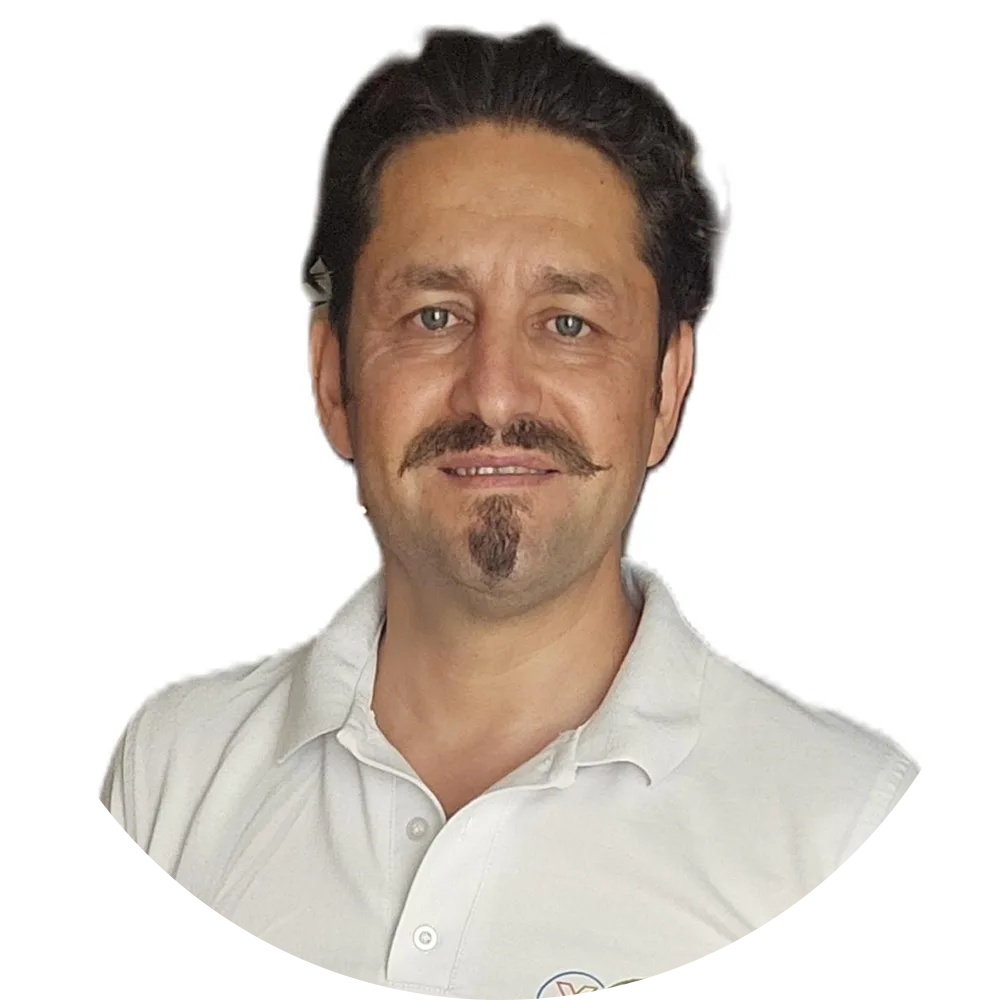
Serkan Kotel — an independent marine surveyor with a Coast Guard background, trained by IIMS, ABYC and MCA. Based in Bodrum, working wherever the vessel lies along the Aegean and Mediterranean coast.

WHAT WE INSPECT

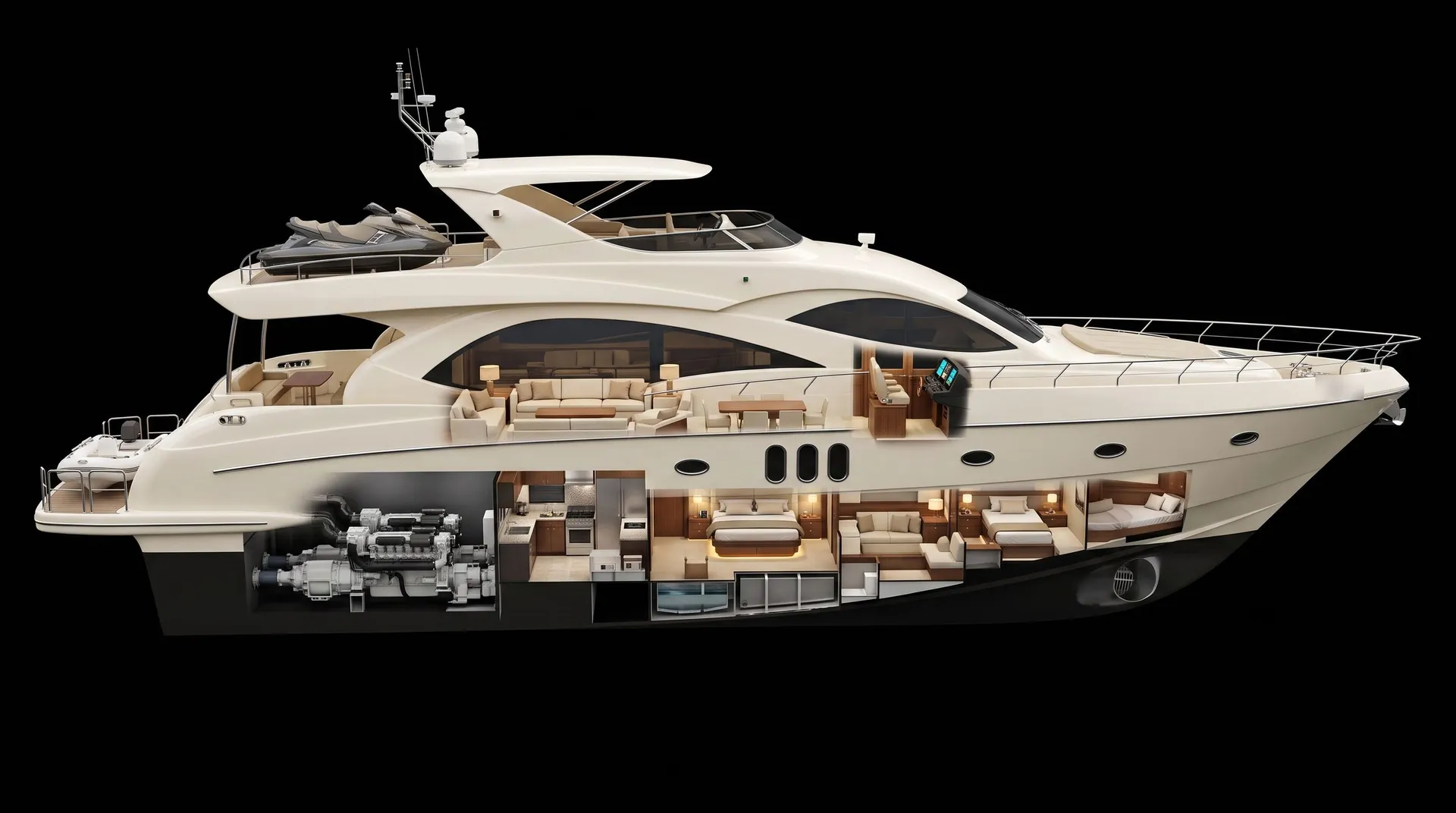
Every part of the boat, its own survey heading

Tap a label: in the general survey it opens that space in the virtual tour; switch to the hull survey and go straight to the write-up of each underwater station.

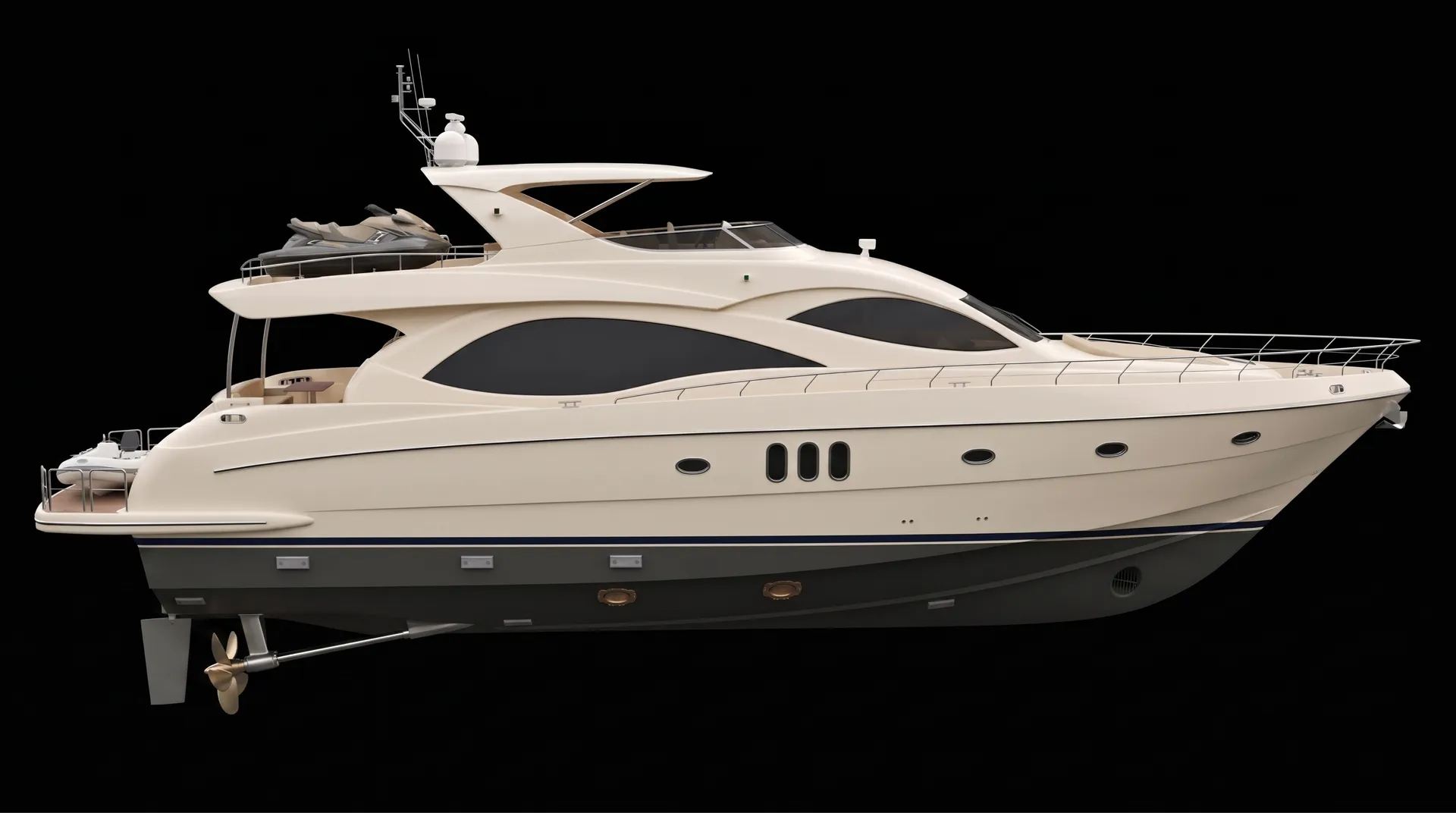
The cutaway is representative; click a label and the virtual tour opens in that space.

Services

Survey and valuation services

Transparent pricing

Calculate your survey fee

See the estimated fee by length, type and region. No hidden charges.

40 ft
20 ft120 ft
Vessel type
Vessel age

Estimated fee

1.040

VAT not included. The final quote is confirmed after reviewing the vessel.

Estimated duration
1,5 working days
Standard
ABYC & IIMS
Book a Survey

Process

From booking to report in four steps

  1. 01

    Planning and booking

    We agree the vessel’s location, type and length, the scope of the survey and the fee, then plan a date that works for the haul-out and the sea trial.

  2. 02

    Preparation and inspection

    The vessel is hauled and pressure washed. Hull, machinery, electrical systems, rig and accommodation are examined with measuring instruments, and every finding photographed.

  3. 03

    Sea trial and reporting

    The engine is run under load and the navigation gear tested underway. Findings are graded by urgency and documented in a fully photographed technical report.

  4. 04

    Debrief and advice

    Once the report is delivered we go through the findings together, and clarify the purchase decision, the negotiating position and the repair priorities.

From the field

Watch the process

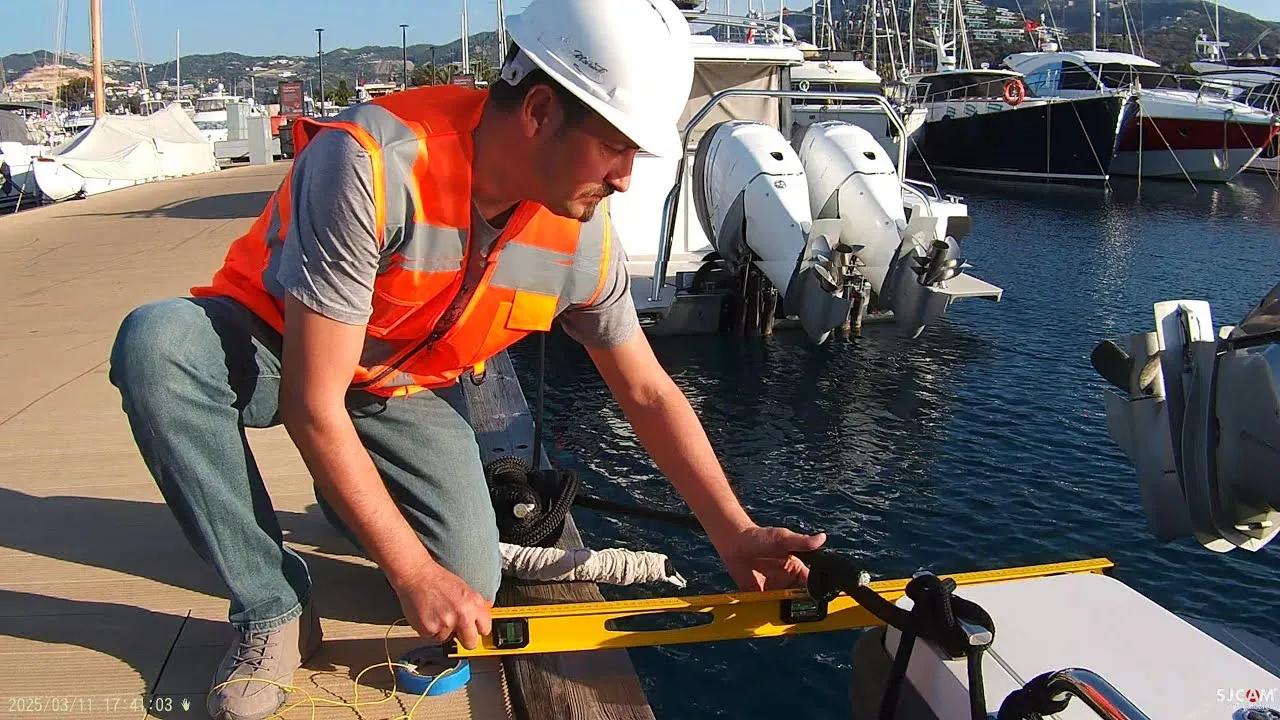
A short introduction to how a survey actually runs on board. The measuring instruments, the diagnostic connection and the way the report is built up are shown step by step.

Beyond inspection: how a yacht survey is actually carried out on board.

Frequently asked questions

Common questions

How long does a yacht survey take?

For a vessel of around 40 ft, the yard inspection and sea trial together take approximately 1.5 working days. Above 60 ft this extends to 2-3 days. The report follows within 2-3 working days.

How much does a yacht survey cost in Turkey?

A pre-purchase survey is charged at €26 per foot of length, so a 40 ft vessel comes to roughly €1,040. Vessel type, age and location affect the figure. VAT is not included.

Does the vessel need to be hauled out?

Yes. The underwater hull, keel, skin fittings and propeller can only be examined ashore, and moisture readings are only reliable once the hull has been washed and allowed to dry.

Which areas do you cover?

We are based in Bodrum, with no travel charge around Yalıkavak, Turgutreis and Milas. Göcek, Fethiye, Marmaris and Datça, along with Istanbul, Ayvalık and the Greek Islands, are also covered, with travel costed separately.

Is the survey report accepted by insurers?

Yes. Reports are prepared to national and international standards and can be used for marine insurance placement, renewal and claims. Tonnage surveys for UK flag registration are carried out to MCA standards.

Do you act for the buyer or the seller?

The report goes to whoever commissions the survey, but findings are never softened for either side. We hold no commission relationship with brokers or vendors.

Contact

Book your survey

Tell us where the vessel lies and your approximate date — we reply the same day.

Serkan Kotel — yacht surveyor, portrait

Serkan Kotel

Yacht surveyor · IIMS · ABYC · MCA — the person who answers the phone, walks the boat and signs the report is the same person.

Service areas

Bodrum · Yalıkavak · Turgutreis · Milas · Göcek · Fethiye · Marmaris · Datça · İstanbul · Ayvalık

Message on WhatsApp