
Thermal Imaging
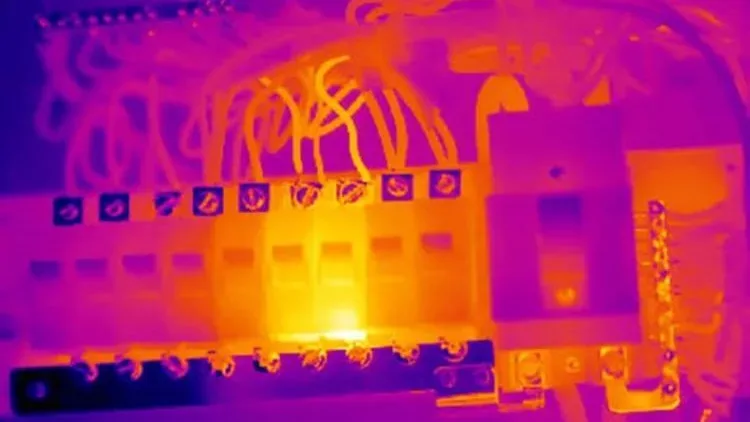
Systems are scanned under load with a thermal camera; overheating connections, hidden moisture and cooling inefficiencies show up before they become faults.
- Electrical connections scanned under load
- A hot terminal is seen before the fire
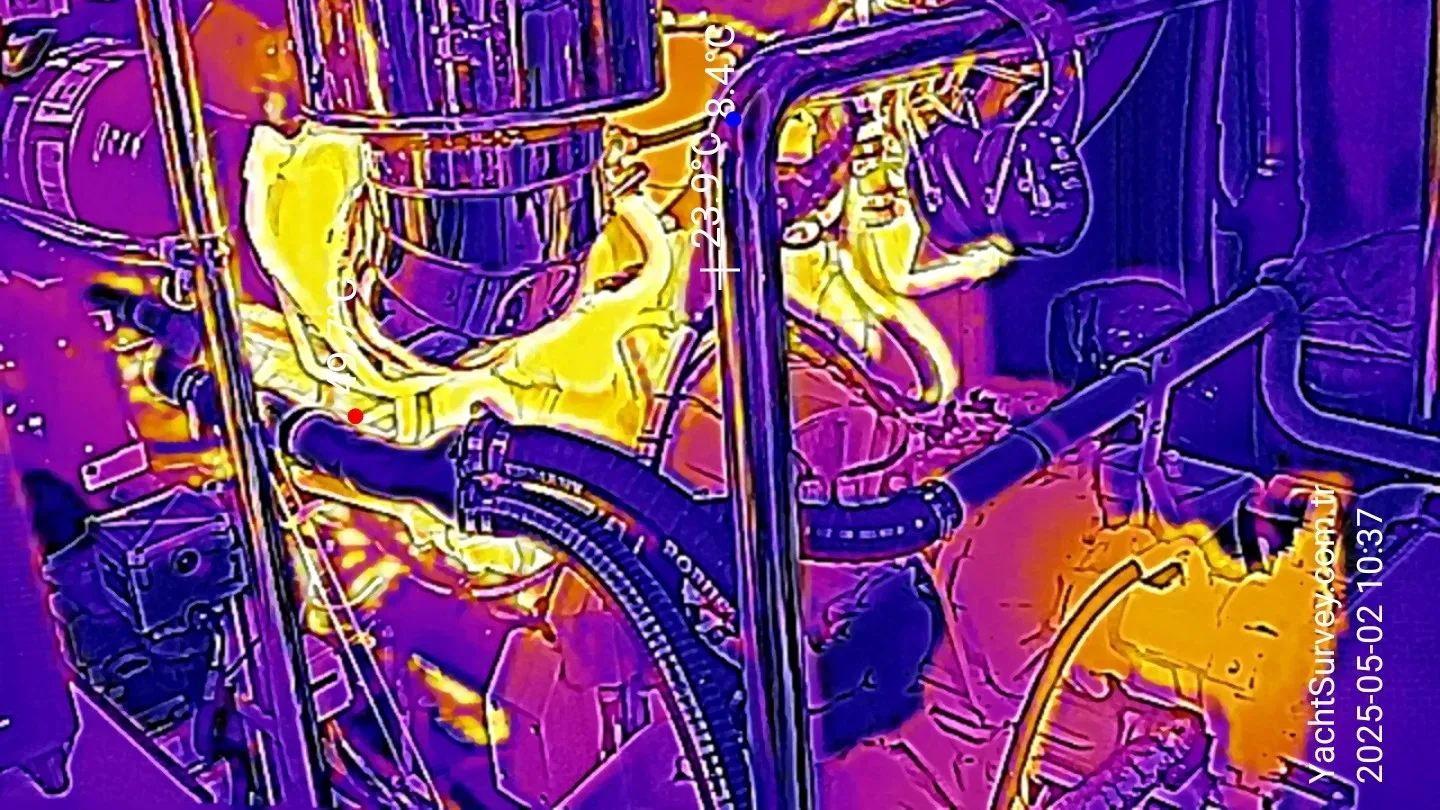
- Engine, exhaust and cooling circuit mapped
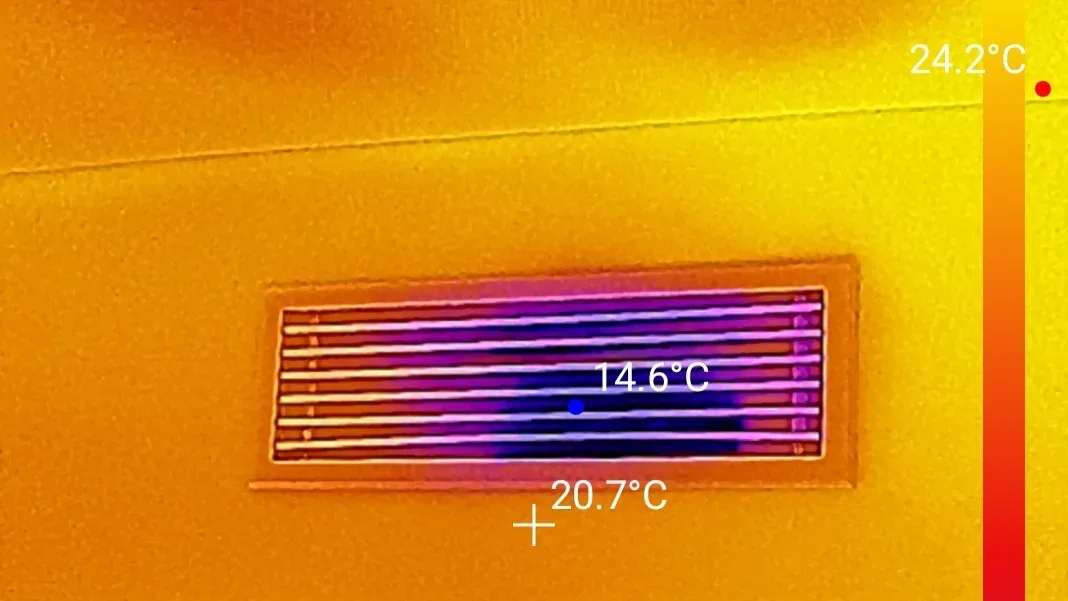
- Air-conditioning outlets and insulation losses measured
- Findings given as a temperature difference, as numbers
Thermal imaging maps the temperature of the electrical, mechanical and air-conditioning systems under load. Heating that the eye cannot see — a loose terminal, a blocked circuit, a leaking gasket — appears as a temperature difference.
What the eye misses, the camera sees
When an electrical connection loosens, its resistance rises and it starts to heat. To the eye the wiring looks fine; on the thermal camera it glows tens of degrees above its surroundings. These points are where boat electrical fires begin — and almost all of them are visible on a thermal scan long before any fault shows.
Where we use it
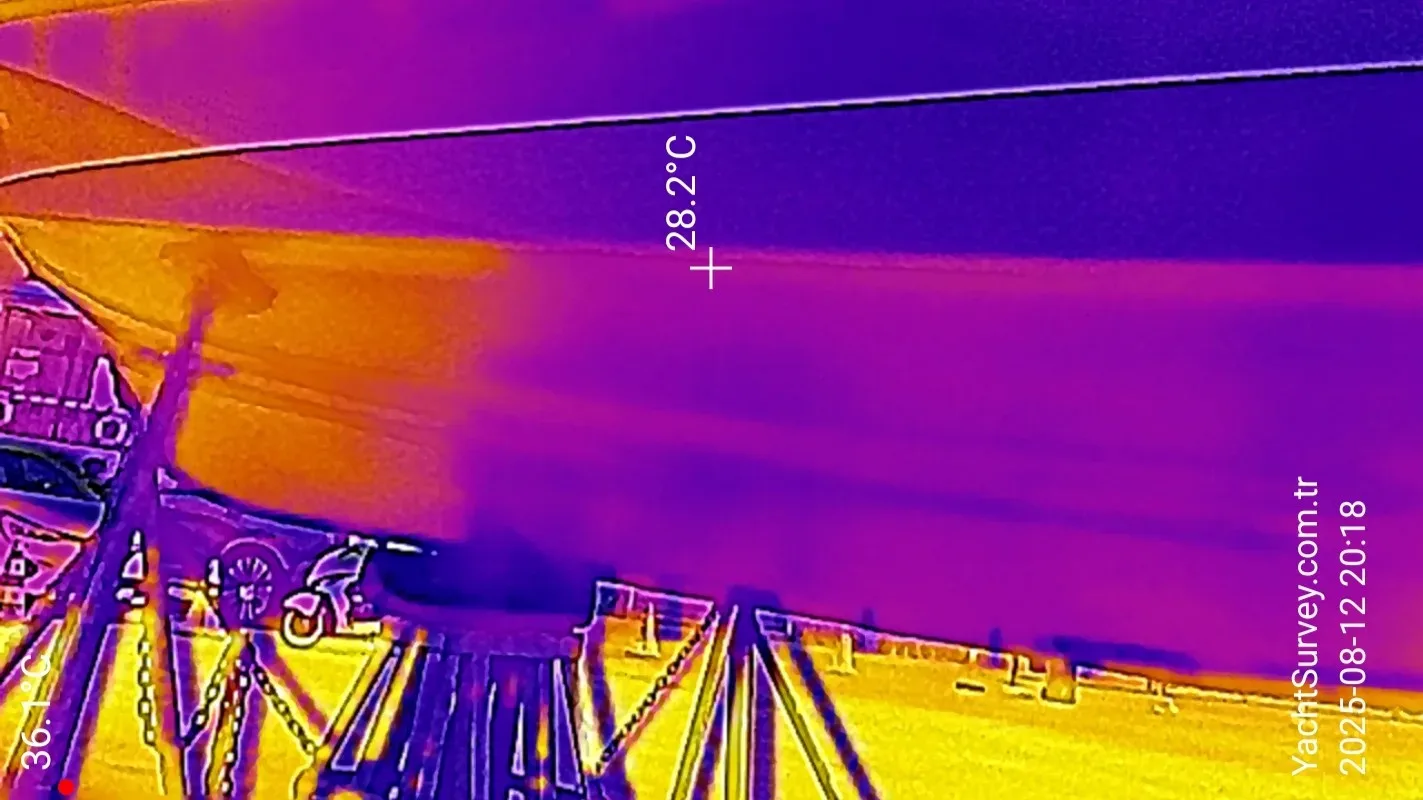
Electrical panel and wiring — scanned under load; overloaded circuits, loose terminals and corroded joints appear instantly as temperature differences, each verified with a current measurement. Engine and gearbox — temperature distribution mapped while running; overheating bearings, friction points and cooling inefficiencies compared against reference values, with exhaust fatigue cracks and water-lock leaks clearest under load. Hull and insulation — moisture-laden composite leaves a distinct signature; the camera narrows the area, the moisture meter confirms, extending the reach of the osmosis test. Generator and auxiliaries — abnormal heating behaviour under load is the last warning before failure.
Why under load?
Thermal imaging shows nothing on a system that is not running. A loose connection only heats while current passes through it; a blocked circuit only shows a temperature difference while the pump runs.
The scan is therefore carried out with the systems live and at the highest practicable load: generator running, air-conditioning on, engine warm and under load. The reading is not an image but a number — it enters the report as a temperature difference.
Process and report
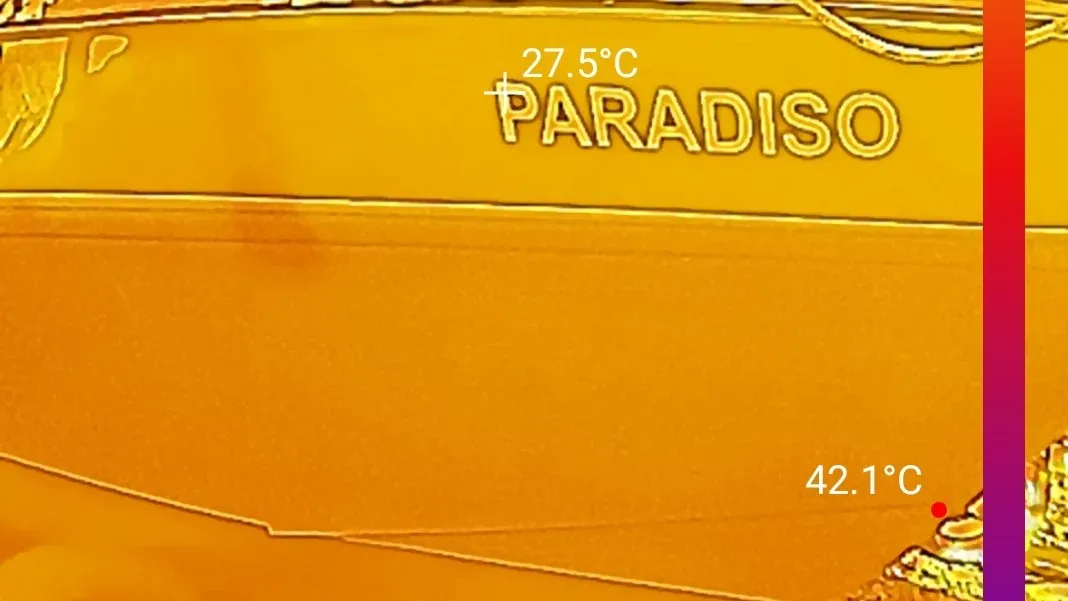
Scanning is done in real operating conditions. Every anomaly is verified with an additional measurement and enters the report with its thermal image, location, temperature value and recommended action.
Duration and fee
This inspection is a chapter within a survey: it is carried out within a pre-purchase survey, an engine room survey and a pre-season check and is not billed separately. We do not sell it as a standalone item, because coming to the boat once to look at this heading alone serves neither you nor us.
If you do need this heading on its own — in a dispute, or for a second opinion — the door is not closed. Call us and we will talk about the boat.
Fees vary with the length of the boat, where she lies and the season. For a firm price call us — tell us about the boat and we will give you the number on the phone.
From the field
What this work looks like on board
6 frames
These frames were taken during real surveys. None of them are stock: each one is a measurement or a check described on this page.
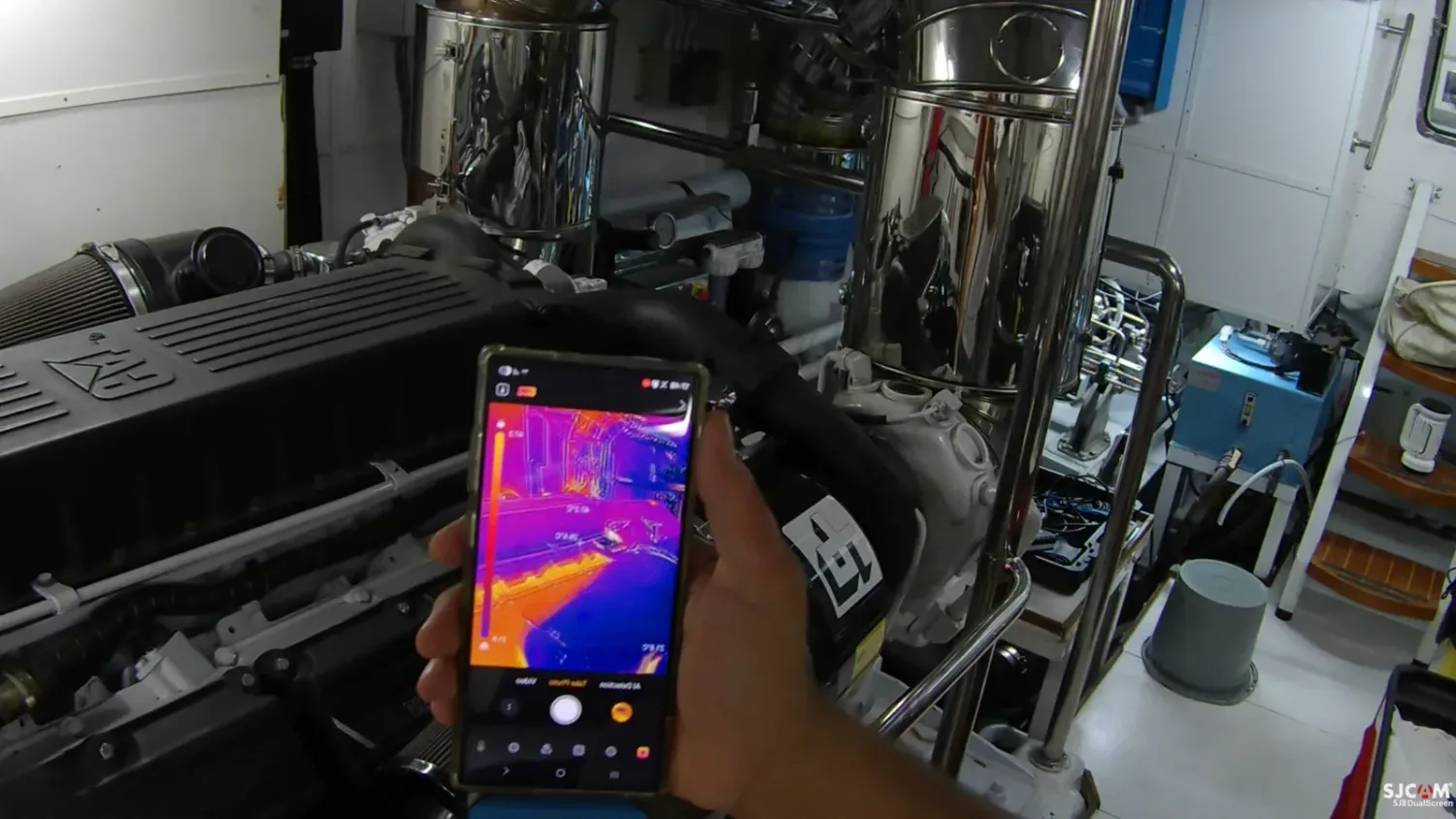
The thermal camera screen 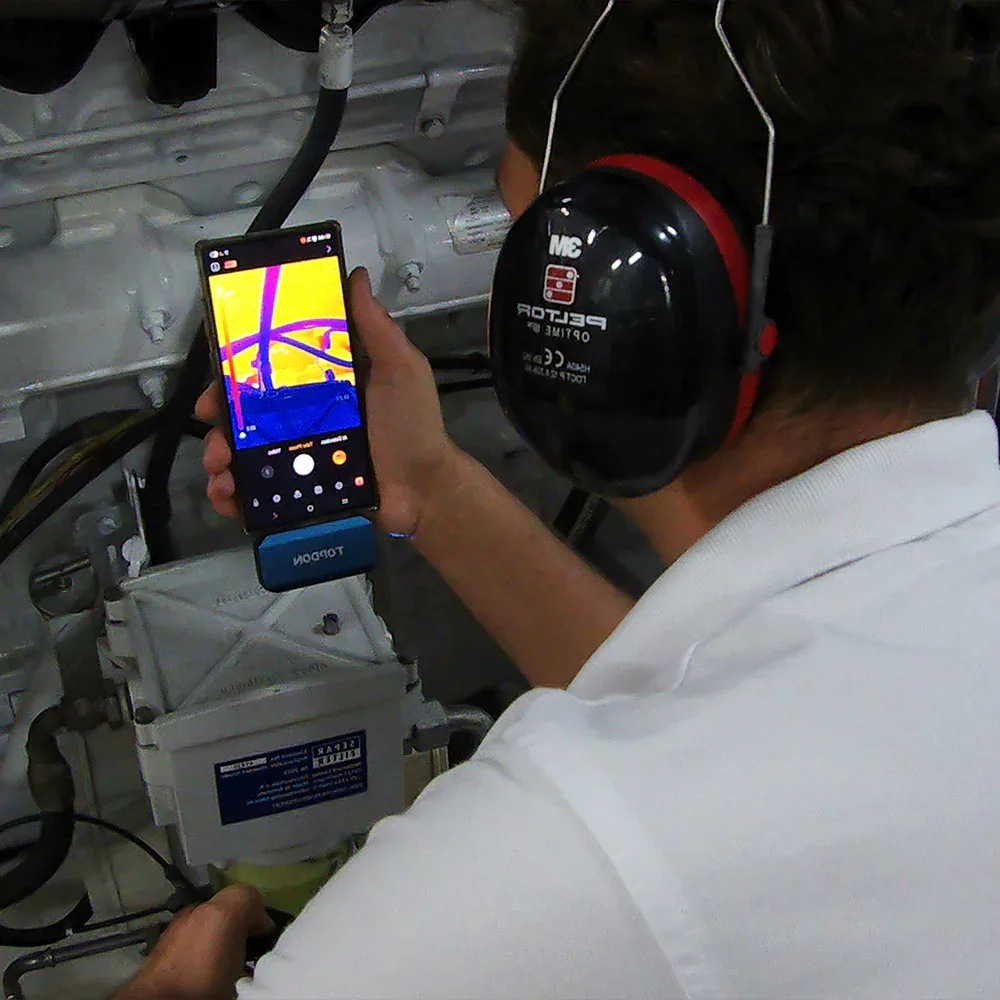
Thermal sweep under load 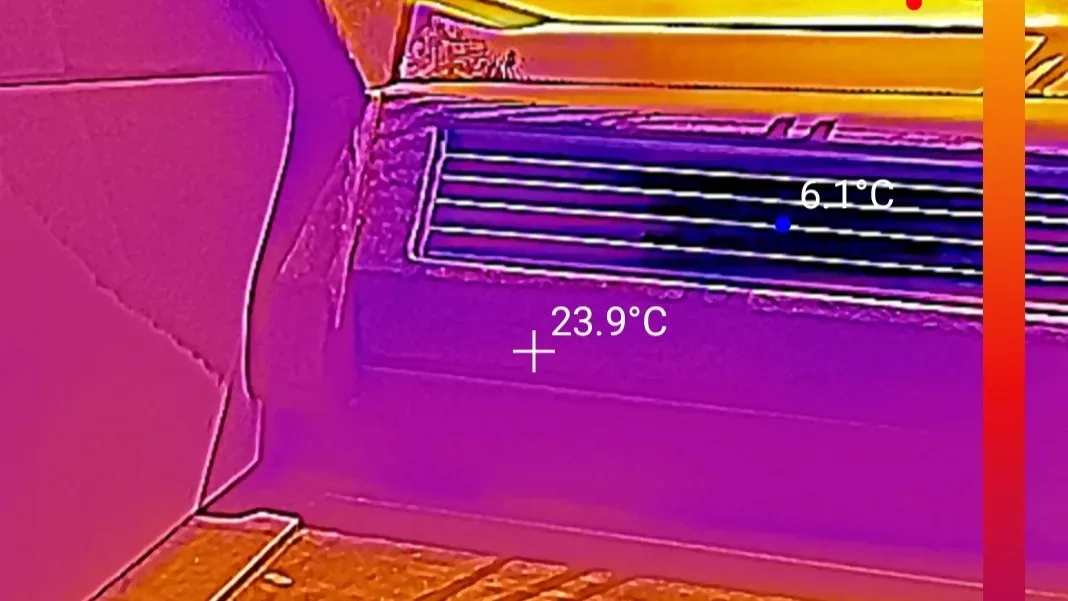
23.9 °C in the engine room 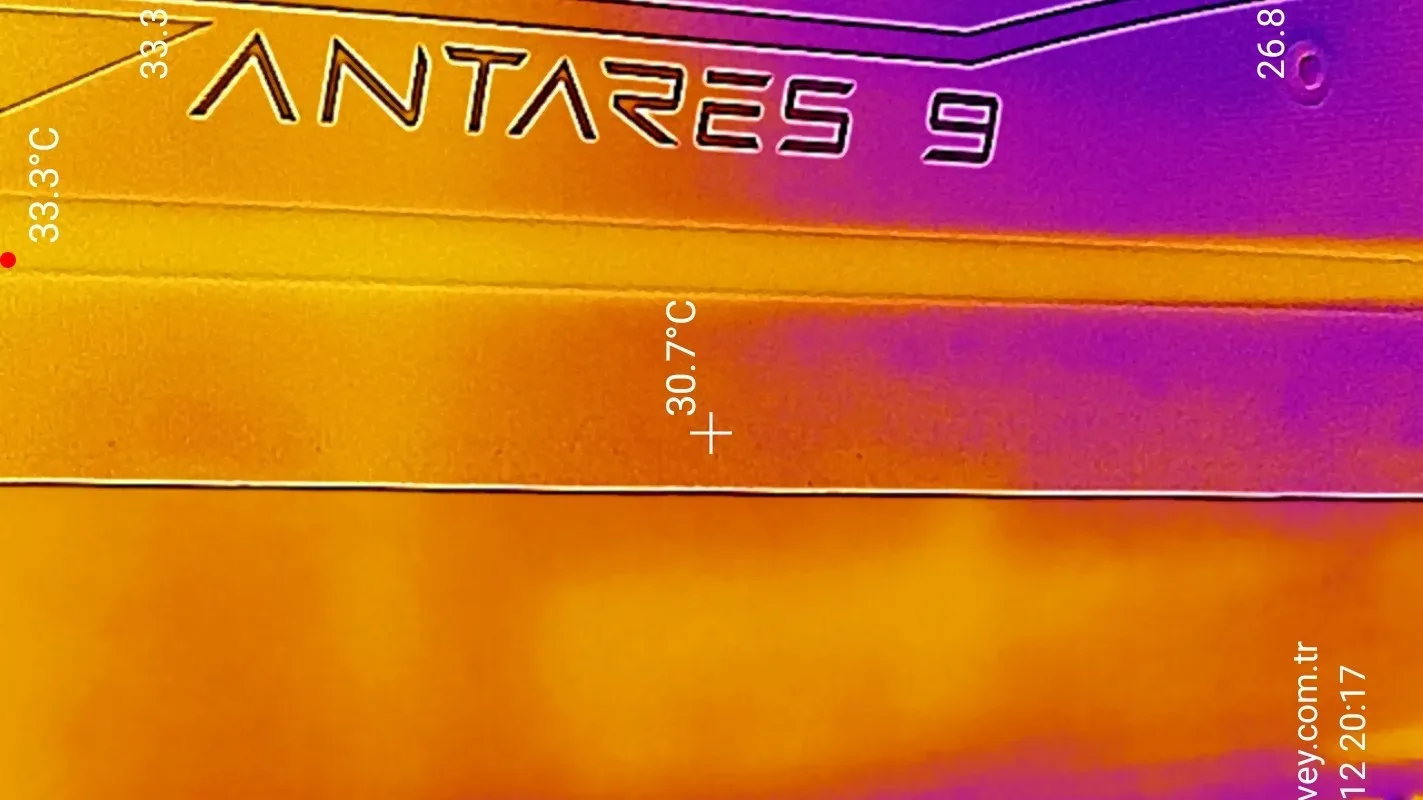
A 30.7 °C reading on the topsides 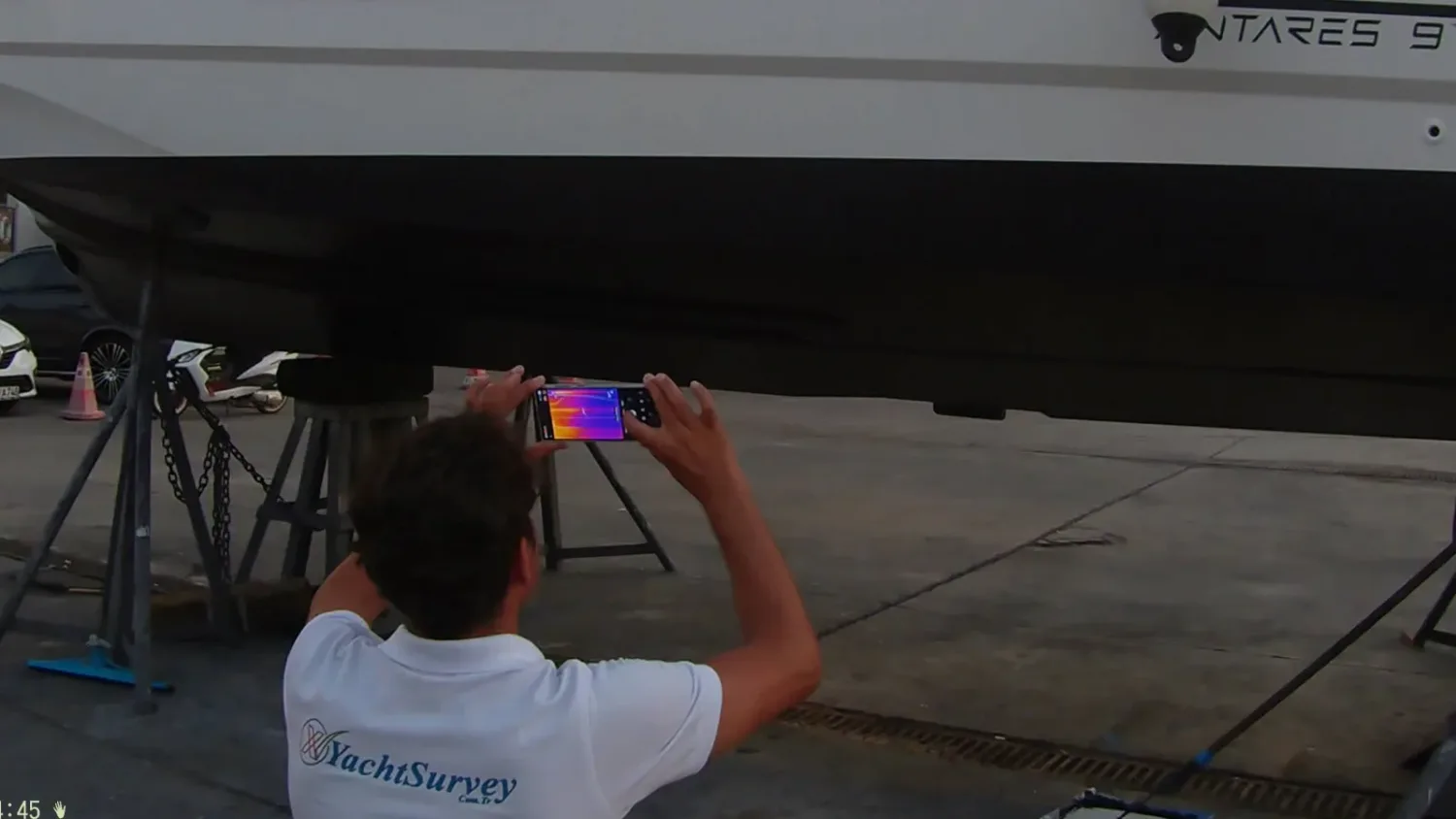
Thermal image of the underside 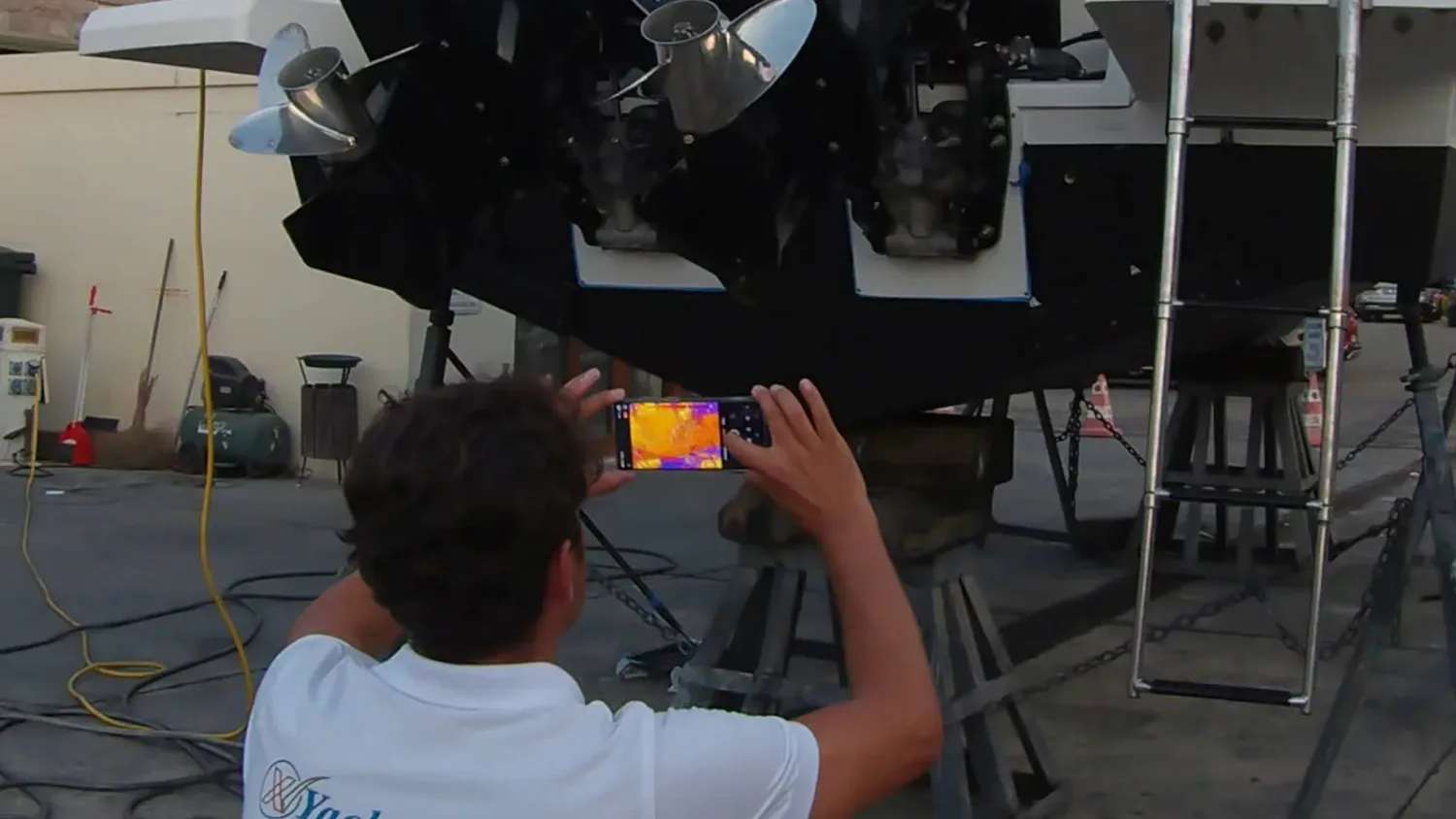
Thermal sweep of the underwater gear
Frequently asked questions
Common questions
What does thermal imaging catch most often on boats?
Can the inspection be done with the boat shut down?
Does the camera detect moisture and osmosis?
Services
Other services
- SURVEY
Pre-Purchase Yacht Survey
Find out what the vessel really is before you commit. An independent report backed by measured values you can use in the negotiation.
26 € / ft - SURVEY
Damage Survey
The true extent and repair cost of the damage, documented independently — a report you can put in front of your insurer.
26 € / ft - SURVEY
Yacht Valuation
The vessel's real market value, grounded in technical findings — a reasoned valuation for sale, insurance or legal use.
25 € / ft
Contact
Book your survey
Tell us where the vessel lies and your approximate date — we reply the same day.
Serkan Kotel
Yacht surveyor · IIMS · ABYC · MCA — the person who answers the phone, walks the boat and signs the report is the same person.
Phone
+905320595917Service areas
Bodrum · Yalıkavak · Turgutreis · Milas · Göcek · Fethiye · Marmaris · Datça · İstanbul · Ayvalık