
Ultrasonic Thickness Measurement
Hull plate thickness read by ultrasound; corrosion wastage and undisclosed repair history emerge as hard numbers.
- Plate thickness measured point by point
- Corrosion loss documented as a number
- Reading points plotted on a map and repeatable
- Past plate renewals and repairs surface
- The method is non-destructive — nothing is drilled or cut
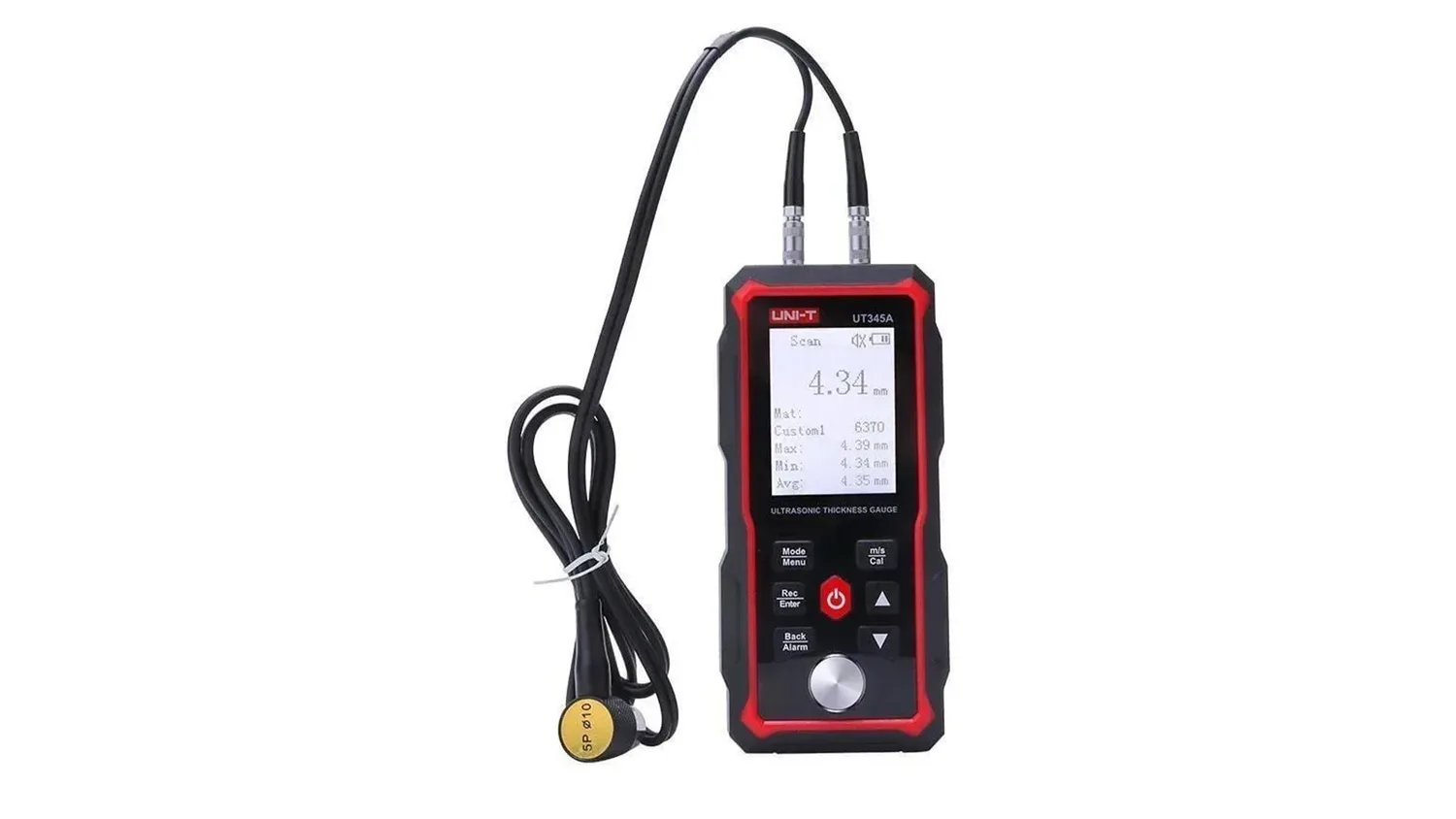
Ultrasonic thickness measurement establishes the remaining plate thickness of steel and aluminium hulls without damage. Corrosion loss, past repairs and plate renewals become numbers.
Thickness is the hull’s memory
A hull’s plate thickness tells two stories: what corrosion has consumed so far, and where past repairs were made. Neither is visible from outside — paint covers everything. Ultrasonic measurement reads thickness to sub-millimetre precision from the echo of a sound wave, and turns both stories into a table of numbers.
What it establishes
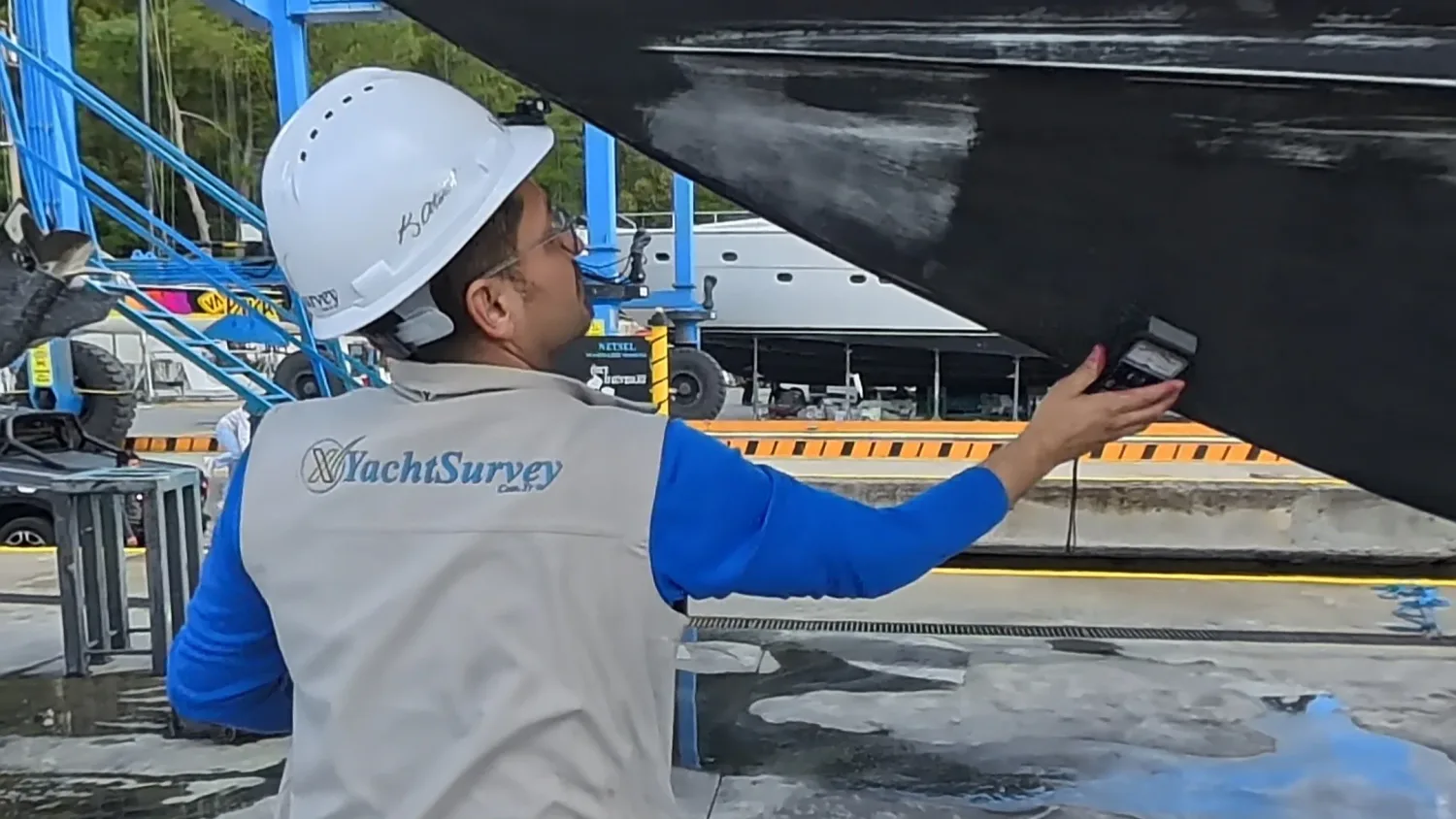
On steel and aluminium hulls, corrosion-prone areas — below the waterline, bilges, tank surrounds, stern gear — are measured on a grid and compared against original plate thickness and allowable limits, with marginal areas flagged on a map. Repaired zones read differently from their surroundings: a thickness pattern appearing in an apparently flawless hull is the most dependable evidence of an undisclosed accident history, and indicates whether the repair was done to the original standard or hurried. Around welds, thinning and irregularities are measured, with suspect seams cross-checked for surface cracking by dye penetrant testing.
Why a map, not a point?
A thickness reading from a single point tells you nothing; what tells you something is the distribution. Plate does not thin evenly — corrosion concentrates along the bilge line, under tanks and at weld seams.
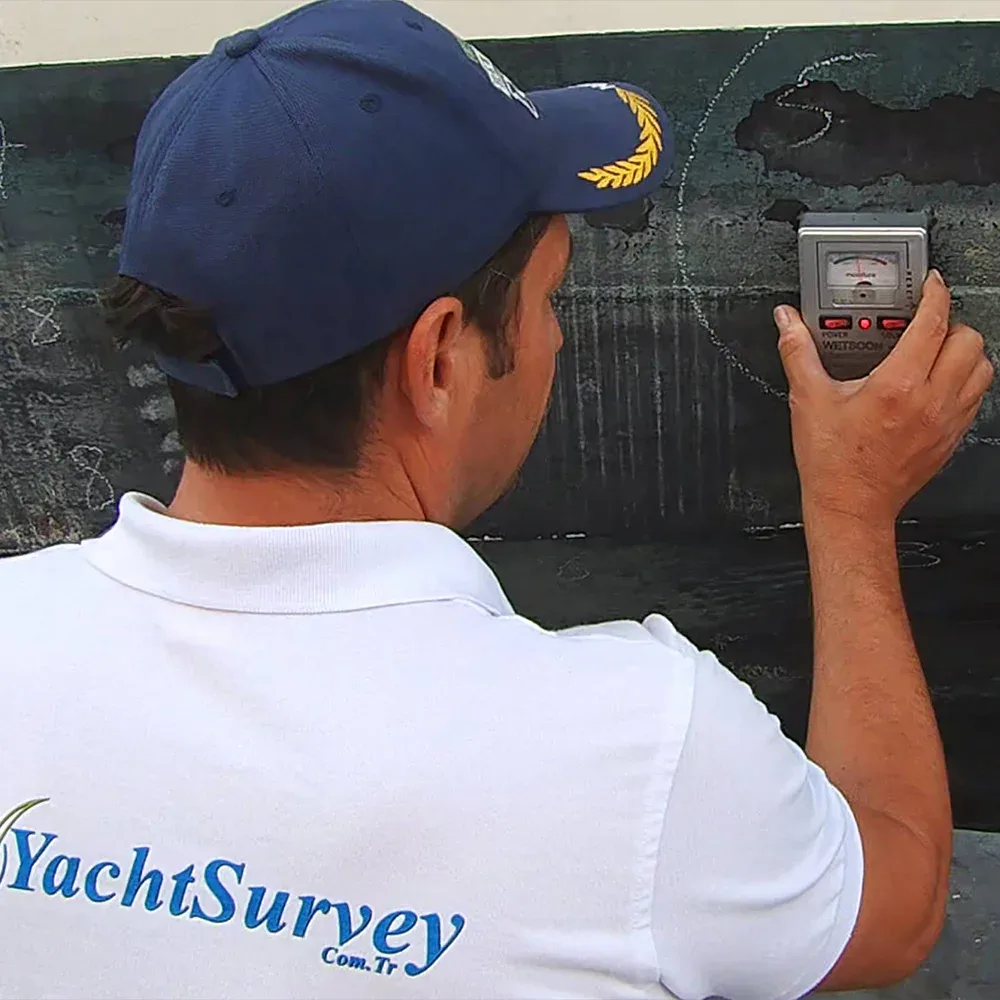
The measurement therefore runs over a grid and every point is numbered onto a map. This means:
- Whether the loss is widespread or local becomes visible.
- The same points can be measured again in a few years; the rate of loss follows.
- Areas below the limit take priority in the repair plan.
The report
Every point is tabled with location, reading and deviation from reference. Areas at risk of progressive thinning get a monitoring interval or repair recommendation. On steel-boat purchases, this table is the backbone of the survey.
Duration and fee
This inspection is a chapter within a survey: it is carried out within a hull survey and a pre-purchase survey and is not billed separately. We do not sell it as a standalone item, because coming to the boat once to look at this heading alone serves neither you nor us.
If you do need this heading on its own — in a dispute, or for a second opinion — the door is not closed. Call us and we will talk about the boat.
Fees vary with the length of the boat, where she lies and the season. For a firm price call us — tell us about the boat and we will give you the number on the phone.
From the field
What this work looks like on board
4 frames
These frames were taken during real surveys. None of them are stock: each one is a measurement or a check described on this page.
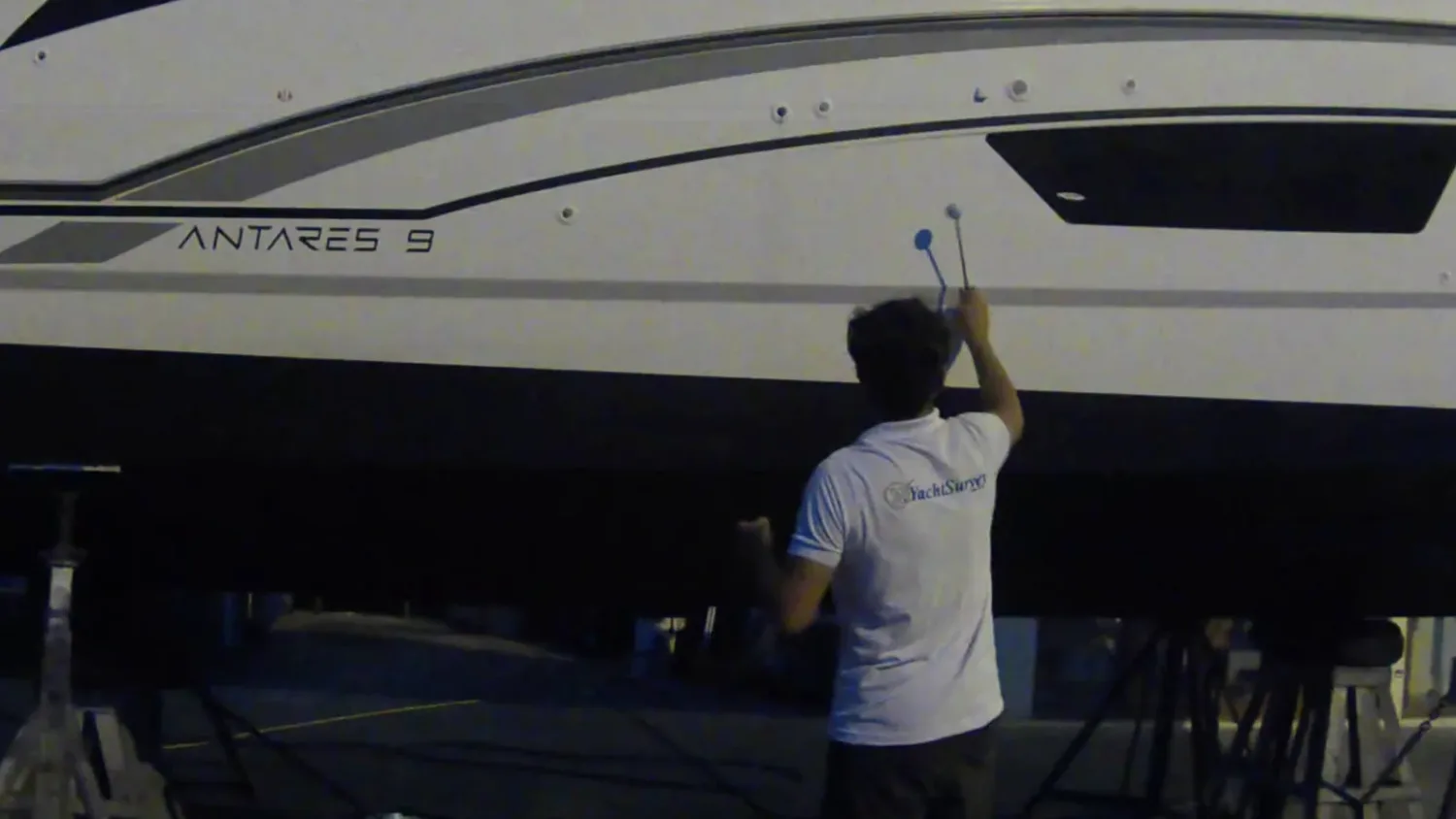
Percussion sweep across the hull 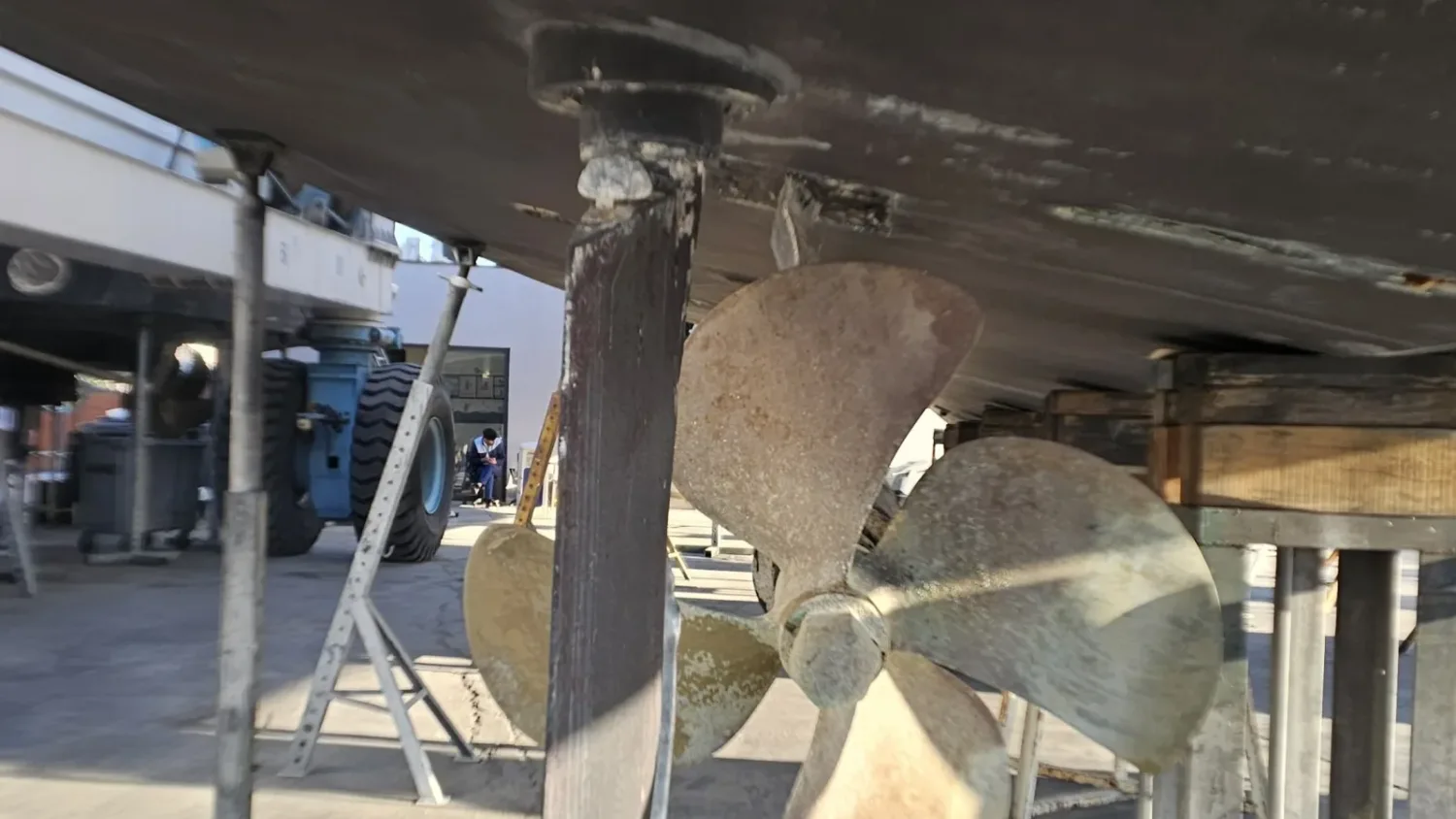
Corrosion on shaft and propeller 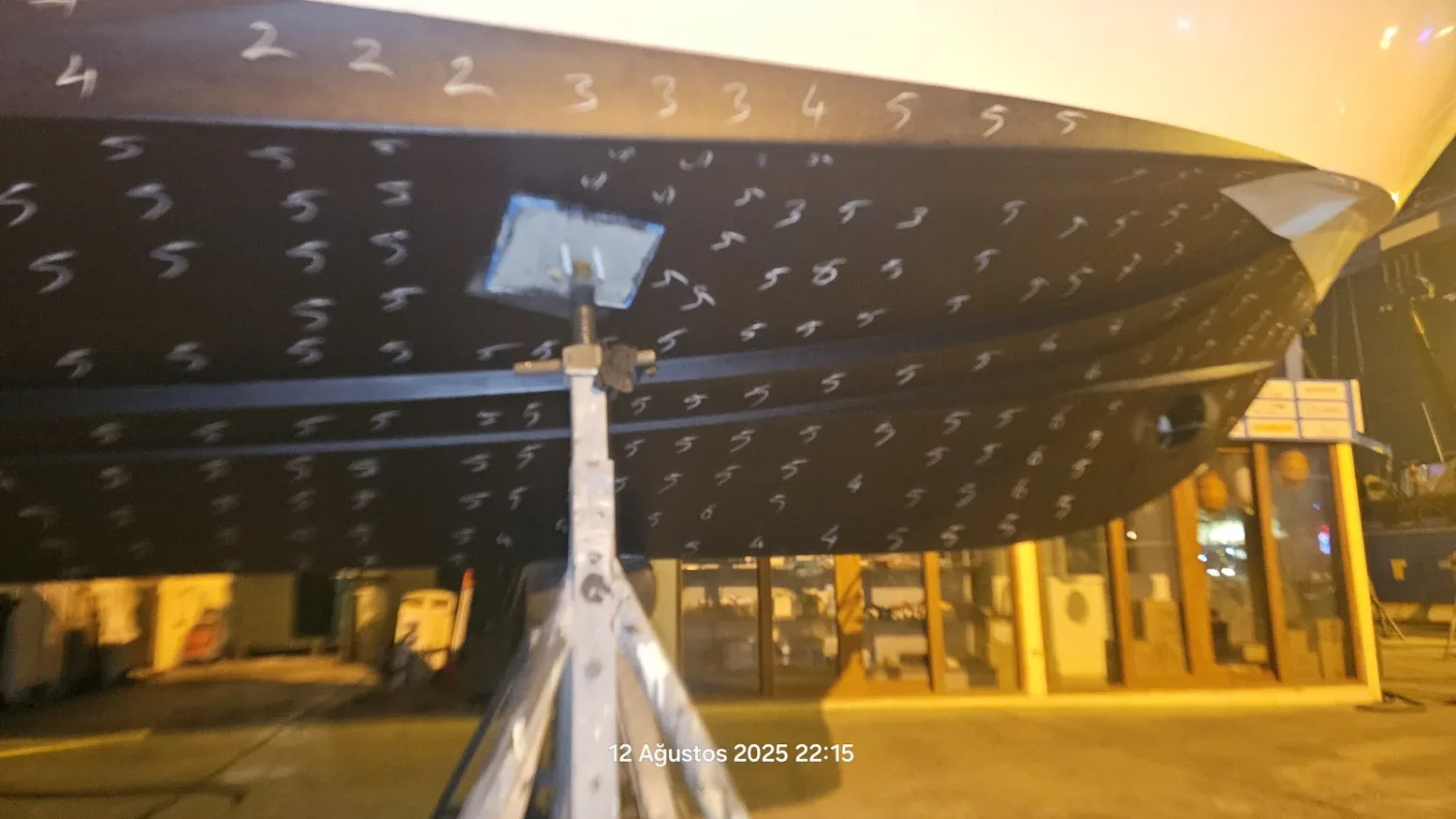
Readings written on the hull 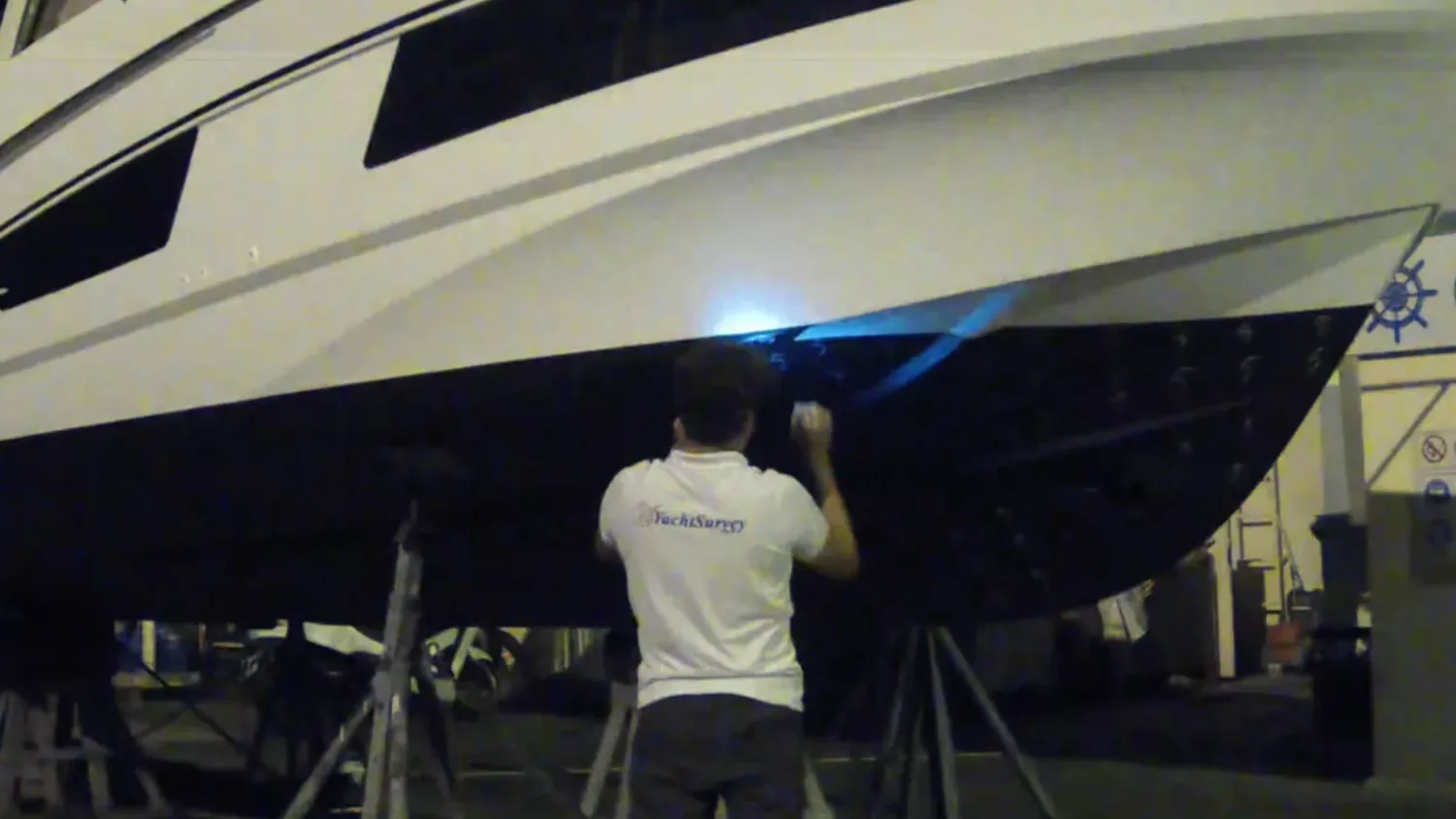
Sweeping the underside with a lamp
Frequently asked questions
Common questions
Which vessels need ultrasonic thickness measurement?
Does the paint need to be removed?
Can it reveal whether the boat has had an accident?
Services
Other services
- SURVEY
Pre-Purchase Yacht Survey
Find out what the vessel really is before you commit. An independent report backed by measured values you can use in the negotiation.
26 € / ft - SURVEY
Damage Survey
The true extent and repair cost of the damage, documented independently — a report you can put in front of your insurer.
26 € / ft - SURVEY
Yacht Valuation
The vessel's real market value, grounded in technical findings — a reasoned valuation for sale, insurance or legal use.
25 € / ft
Contact
Book your survey
Tell us where the vessel lies and your approximate date — we reply the same day.
Serkan Kotel
Yacht surveyor · IIMS · ABYC · MCA — the person who answers the phone, walks the boat and signs the report is the same person.
Phone
+905320595917Service areas
Bodrum · Yalıkavak · Turgutreis · Milas · Göcek · Fethiye · Marmaris · Datça · İstanbul · Ayvalık